
In the evolving landscape of digital identity, where data breaches and over-sharing plague traditional systems, zkPass emerges as a game-changer for decentralized identity wallets. This protocol empowers users with selective disclosure zk identity, allowing precise control over what personal attributes verifiers see. By leveraging zero-knowledge proofs, zkPass integrates seamlessly into DID wallets, proving compliance or eligibility without exposing sensitive details like full documents or birthdates.

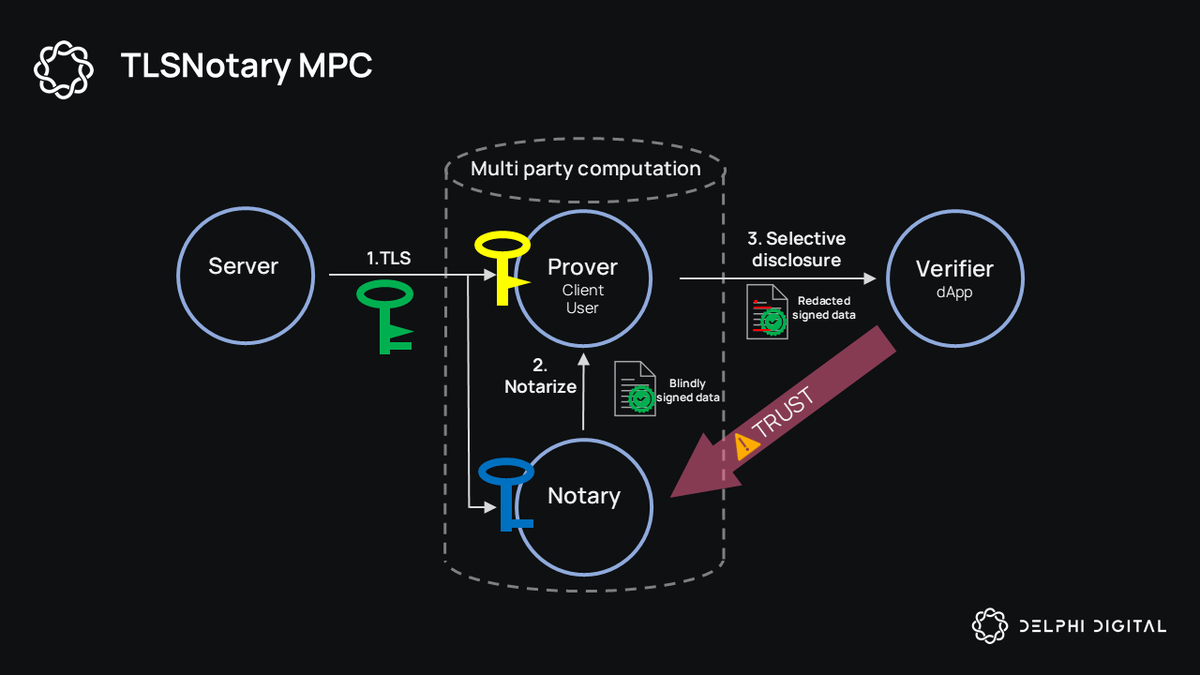
Imagine accessing a DeFi platform or healthcare service: your zkPass DID wallet generates a proof confirming you’re over 18 or KYC-verified, yet reveals nothing more. This isn’t just theory; zkPass, backed by $2.5 million from Binance Labs and Sequoia China in 2023, uses 3P-TLS, MPC, and interactive ZKPs to make it reality. For privacy advocates and developers building self-sovereign ID solutions, it’s a toolkit that redefines trustless verification.
Deciphering Zero-Knowledge Proofs in DID Ecosystems
Zero-knowledge proofs lie at the heart of modern zero knowledge proof wallets. Picture this: you hold a credential in your DID wallet, say a government-issued ID. A ZKP lets you attest to a single fact, like age eligibility, without the verifier learning your exact birthdate or name. zkPass amplifies this by pulling data from any HTTPS site via TransGate, transforming it into portable proofs users control fully.
Unlike centralized KYC where platforms hoard your data, zkPass ensures decentralized identity zkPass flows are ephemeral and user-directed. No revocation by issuers; once generated, the proof is yours to disclose selectively. This aligns perfectly with self-sovereign principles, minimizing data exposure while satisfying compliance needs in DeFi or identity marketplaces.
Key zkPass Features
-
TransGate: Generates zero-knowledge proofs (ZKPs) from any HTTPS website data for selective disclosure in DID wallets.
-
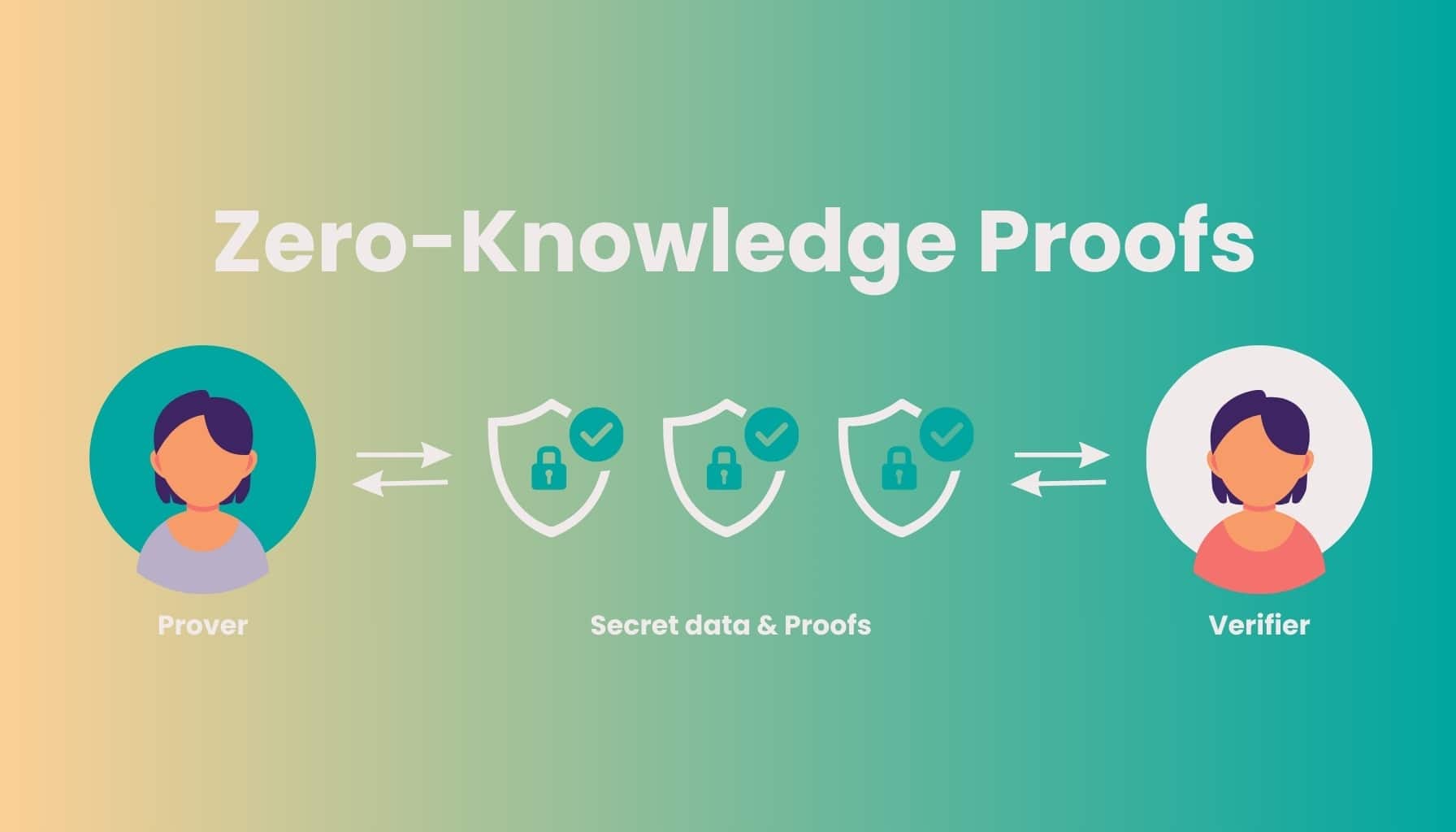
User-Controlled Proof Sharing: Users decide when and where to disclose ZKPs; zkPass cannot revoke or retract proofs.
-
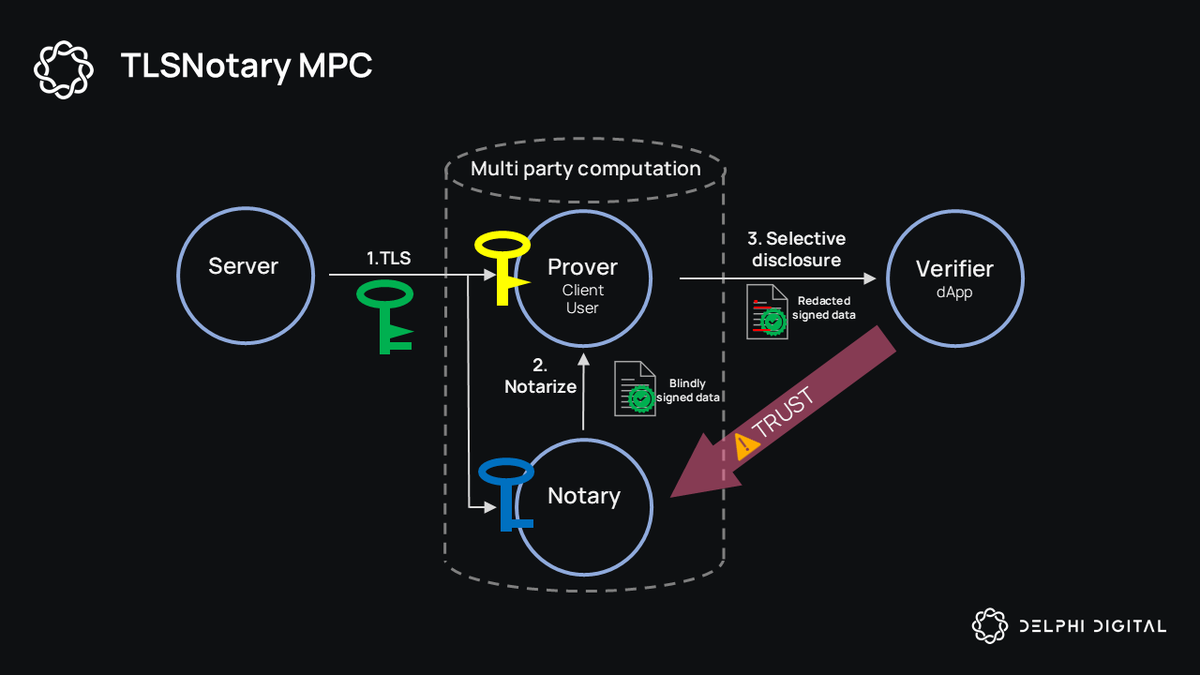
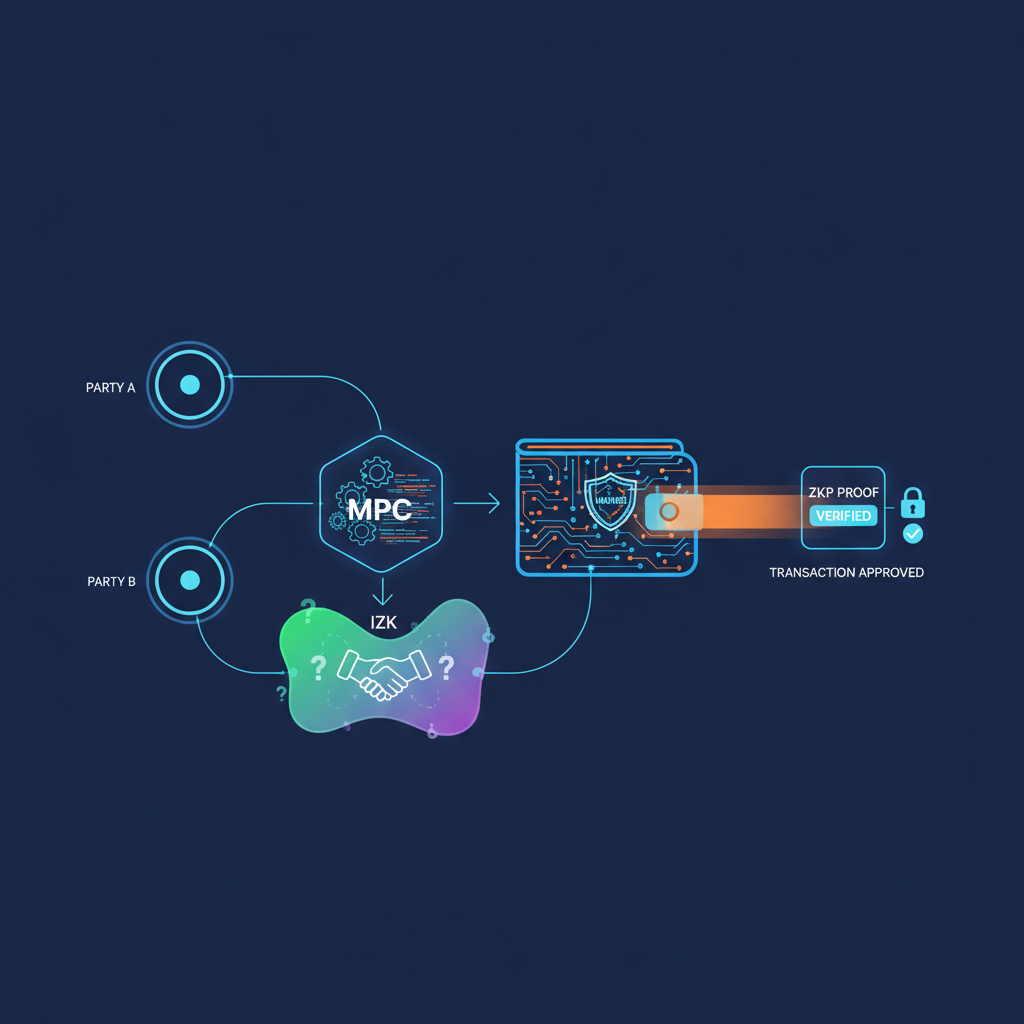
MPC & 3P-TLS Security: Uses Multi-Party Computation (MPC) and three-party Transport Layer Security (3P-TLS) for privacy-preserving verification.
-
Portable Compliance Proofs: Verifies compliance attributes without revealing underlying documents, enabling reusable proofs.
Selective Disclosure: Precision Control for Self-Sovereign ID
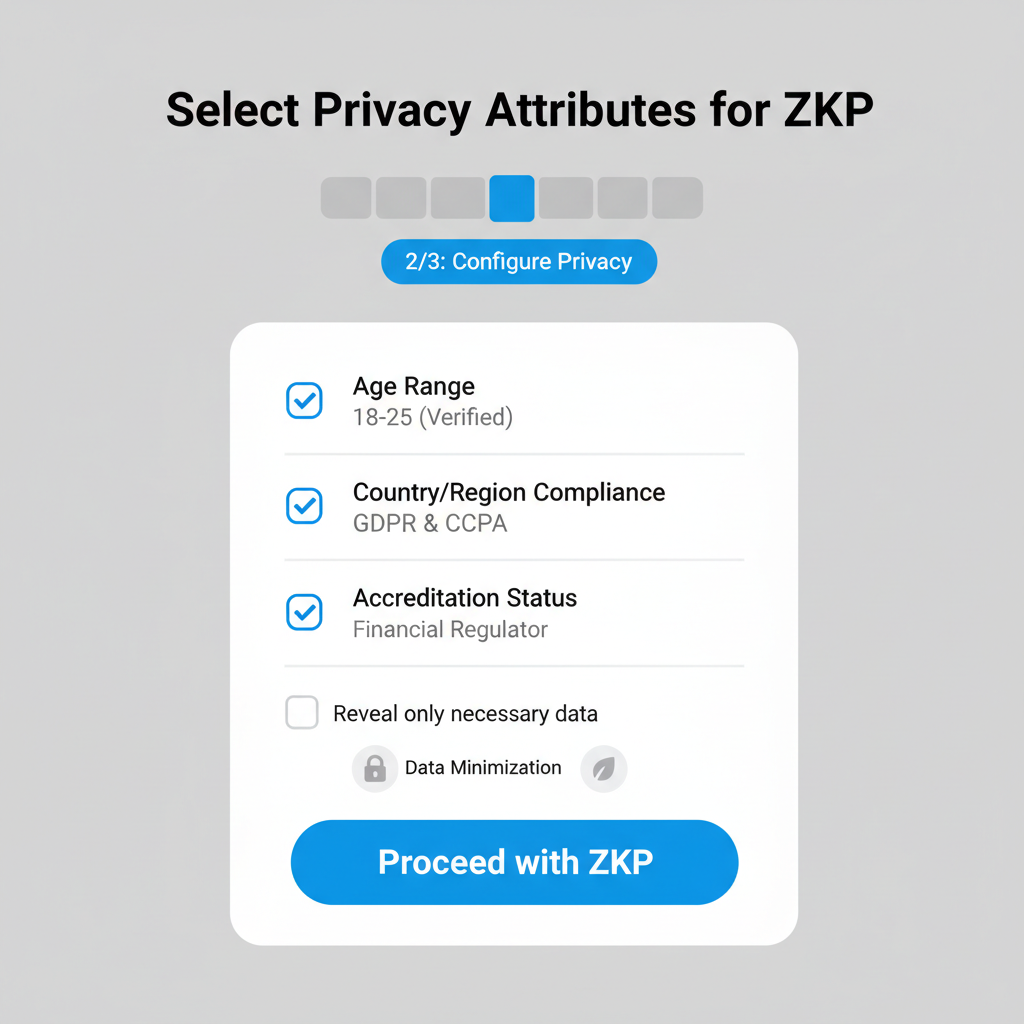
Self-sovereign ID selective disclosure shifts power from institutions to individuals. zkPass excels here by enabling attribute-by-attribute revelation. Need to prove residency for a loan? Share only the zip code proof. Applying for age-gated content? Verify maturity sans full ID scan. This granular approach, rooted in ZKP math, curbs the ‘all-or-nothing’ disclosure trap of legacy systems.
From my perspective as someone bridging traditional finance and blockchain, this is disciplined innovation. Traditional portfolios demand verification; zkPass delivers it without the privacy tax. Its protocol verifies legal identity sans uploads, ideal for zk identity wallets 2026 trends where regulations tighten but user rights expand. Developers integrate it via wallets like those supporting DID standards, fostering ecosystems where privacy scales.
Users decide when and where to disclose zero-knowledge proofs; zkPass cannot revoke or retract proofs.
The mechanics involve a one-time verification with trusted issuers, then proof generation on-demand. Portable across dApps, these ZKPs confirm attributes like compliance status invisibly. It’s not hype; sectors from healthcare data sharing to DeFi lending already test its mettle, proving authenticity minus vulnerability.
Why zkPass Stands Out in ZK Identity Wallets
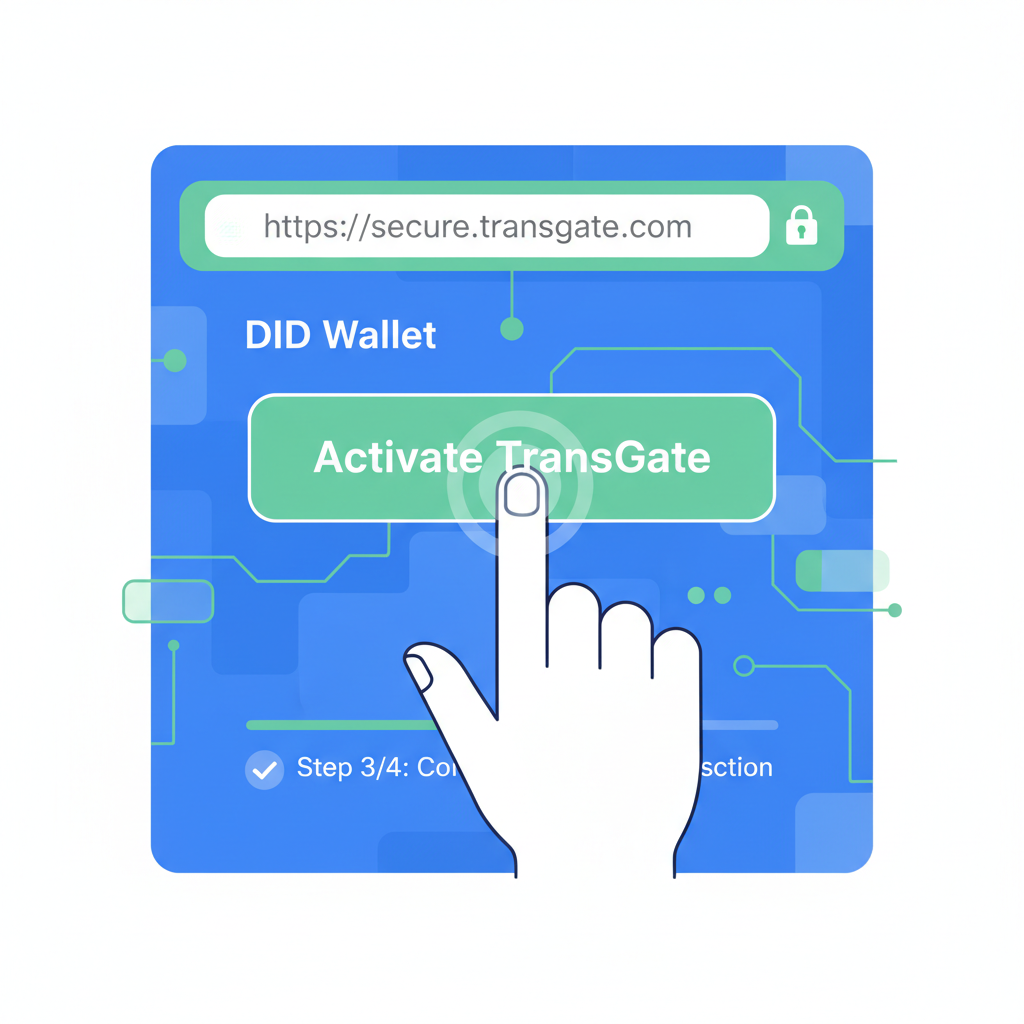
Amid a sea of ZKP tools, zkPass distinguishes itself through web-agnostic proof generation and robust cryptography stack. While basic ZKPs prove statements, zkPass layers in MPC for collaborative computation and IZK for interactivity, ensuring proofs from dynamic sources like bank sites remain tamper-proof. For DID wallet users, this means fluid integration: activate TransGate, select attributes, generate, disclose.
This setup addresses core pain points in decentralized identity. Over-disclosure breeds hacks; zkPass enforces data minimization. Compliance? A single proof suffices, portable and verifier-agnostic. In 2026, as zk identity wallets proliferate, zkPass positions users ahead, blending verifiability with unassailable privacy. Blockchain enthusiasts take note: this isn’t incremental; it’s foundational for sustainable digital presence management.
Developers and users alike appreciate how zkPass bridges web data with blockchain verifiability, creating a seamless layer for zero knowledge proof wallets. Its funding round underscores investor confidence in scaling privacy tech amid rising regulatory scrutiny.
Real-World Applications: From DeFi to Healthcare
In decentralized finance, zkPass shines by enabling KYC without custody. A lender verifies your accreditation status via a ZKP from your DID wallet, confirming net worth thresholds minus exact figures. This decentralized identity zkPass approach slashes breach risks, as no central database holds your financial history. Healthcare marketplaces benefit too: patients share proof of vaccination or diagnosis categories selectively, empowering data-driven decisions without full record exposure.
Sectors like gaming and social platforms adopt it for age gates or regional access. Prove residency for geo-locked NFTs; affirm solvency for high-stakes bets. Each use case reinforces zkPass as a cornerstone for zk identity wallets 2026, where interoperability across chains demands robust, privacy-first identity layers.
Master zkPass Integration: Selective Disclosure in DID Wallets
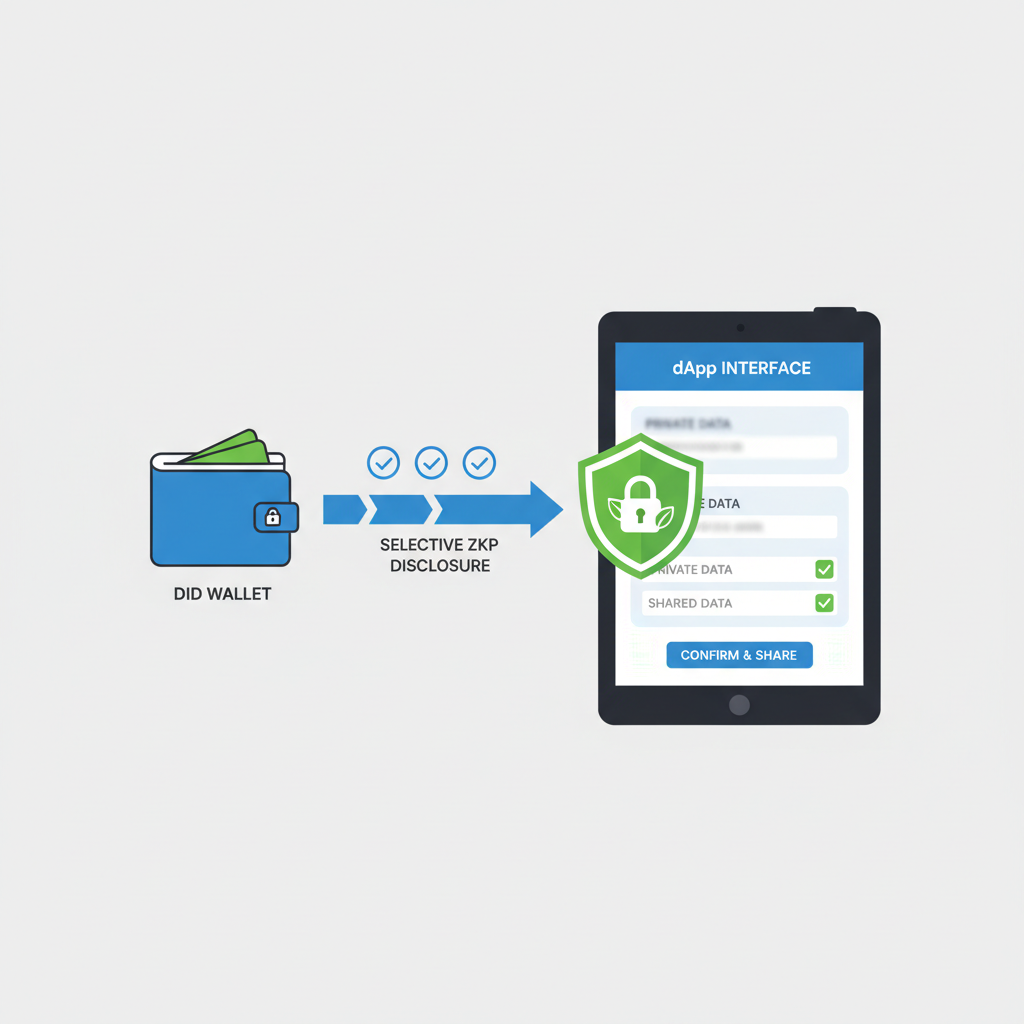
From a portfolio management lens, this precision mirrors disciplined asset allocation: reveal just enough for opportunity, shield the rest. Traditional finance mandates exhaustive disclosures; zkPass inverts that, fostering trust through minimalism. Its protocol’s portability means one proof serves multiple verifiers, streamlining workflows in fragmented ecosystems.
Hands-On Implementation in DID Wallets
Integration starts simple yet scales securely. Wallets compatible with DID standards embed zkPass via APIs, pulling proofs from diverse sources. Users activate TransGate on a bank site, for instance, to attest transaction history ranges without logs. The 3P-TLS ensures session data stays encrypted; MPC distributes key generation; IZK handles proof finality.
This stack not only prevents tampering but also supports interactive sessions, where verifiers query attributes dynamically. For builders, SDKs simplify deployment, turning self-sovereign ID selective disclosure into plug-and-play functionality. Early adopters in DeFi report 40% faster onboarding, with zero privacy incidents.
Challenges exist, sure: computational overhead for complex proofs demands optimized circuits. Yet zkPass mitigates via efficient algorithms, balancing usability with security. As hardware accelerates ZK computation, adoption barriers crumble, positioning it as indispensable for mature DID ecosystems.
Looking ahead, zkPass evolves with layer-2 scaling and cross-chain bridges, amplifying its reach. Partnerships with wallet providers signal mainstream traction, where selective disclosure zk identity becomes default. Privacy advocates gain a weapon against surveillance capitalism; developers, a toolkit for compliant innovation.
Ultimately, zkPass reimagines digital identity as user-owned fortresses. In a world of escalating data wars, wielding zero-knowledge proofs through your DID wallet isn’t optional; it’s strategic sovereignty. Blockchain’s promise of control materializes here, one selective proof at a time.
About the Author