
DAOs promise true decentralized governance, where token holders call the shots without middlemen. But there’s a glaring flaw: Sybil attacks. Malicious actors spin up fake identities to flood votes, skewing outcomes and eroding trust. Enter zk identity wallets for DAO voting – sleek tools that let you prove you’re a unique human via private proofs of humanity, all without doxxing yourself. These sybil resistant decentralized identity solutions are flipping the script on DAO security.

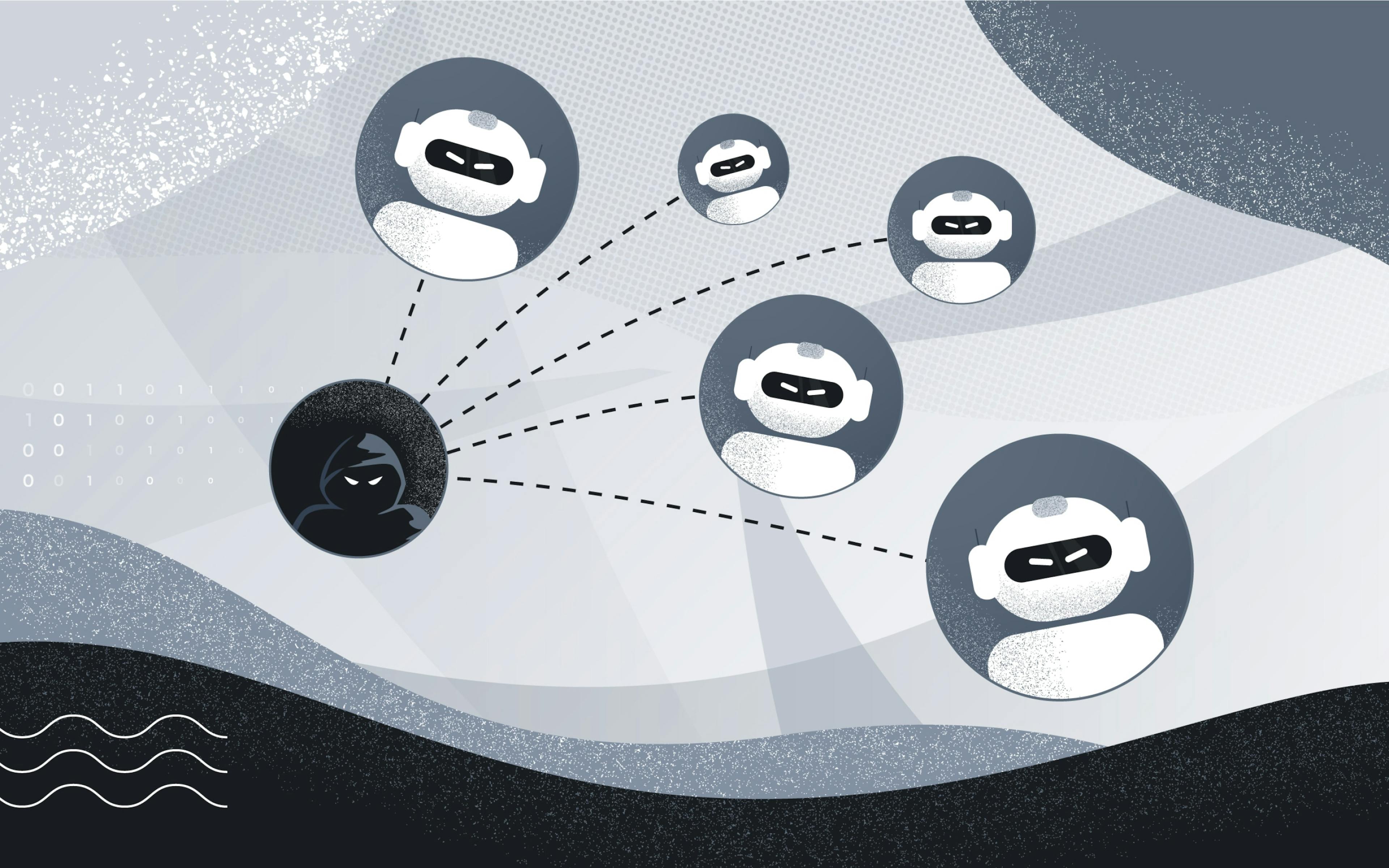
Picture this: a major DAO treasury vote. One side pushes for a risky investment; the other wants caution. Suddenly, thousands of new wallets appear, all voting in lockstep. That’s a classic Sybil attack, named after the multiple personalities in the old novel. In Web3, it’s rampant – research shows up to 40% of social network accounts could be bots, and DAOs aren’t immune. Without robust checks, governance turns into a puppet show run by whales or attackers.
The Sybil Threat Looming Over DAO Governance
Let’s get data-driven. A recent arXiv paper on zero-knowledge proof-of-identity highlights how self-sovereign identity from social networks falls short – nearly half of accounts might be fake. DAOs like those on Polygon have felt the sting, prompting integrations like Polygon ID for zk-powered verification. The stakes? Billions in TVL. One compromised vote could drain treasuries or push bad protocols live.
I’ve seen it firsthand in my years tracking DeFi: early DAOs relied on token snapshots, easy to game with air dropped alts. Quadratic voting helps, but still needs uniqueness proofs. That’s where private proof of humanity wallets shine. They aggregate signals from Web2 (think X, Discord) via zkTLS, as Orange Protocol demos, ensuring one human, one vote.
Zero-Knowledge Magic: Proving Humanity Without the Dox
Zero-knowledge proofs (ZKPs) are the secret sauce. In plain terms, you prove a statement is true – “I’m a unique human” – without revealing how. No name, no face, no wallet history. zkHumans on Mina Protocol nails this with biometrics owned solely by you, never transmitted. ZK Vote from ETHGlobal takes it further: authenticate voting eligibility privately.
Data backs the hype. Proof-of-Personhood (PoP) protocols cut Sybil risks by 90% and in tests, per Identity Management Institute. For DAOs, this means self sovereign ID DAOs where members hold portable creds in decentralized identity wallets zk proofs. Generate a proof once, vote anywhere, revoke if compromised.
Humanity Protocol and zkProofers: Leading the Charge
Humanity Protocol stands out in this arena. Their zkProofers – a network of nodes – verify you’re real via ZK, no data stored on-chain. Users control their humanity proof, perfect for DAO voting. It’s human-centric: opt-in, private, scalable. As of recent updates, it’s powering Sybil defense across ecosystems.
Orange Protocol complements with multi-source zkTLS: link X, Discord, Farcaster accounts privately. Prove uniqueness across platforms without leaks. Human Passport adds modular stacks for aggregation. Fractal ID pushes KYC layers for quadratic voting. Polygon ID’s DAO integration? Game-changer for L2 governance.
Two years ago, I wrote this post on the possible areas that I see for ethereum + AI intersections: https://vitalik.eth.limo/general/2024/01/30/cryptoai.html
This is a topic that many people are excited about, but where I always worry that we think about the two from completely separate philosophical perspectives.
I am reminded of Toly’s recent tweet that I should “work on AGI”. I appreciate the compliment, for him to think that I am capable of contributing to such a lofty thing. However, I get this feeling that the frame of “work on AGI” itself contains an error: it is fundamentally undifferentiated, and has the connotation of “do the thing that, if you don’t do it, someone else will do anyway two months later; the main difference is that you get to be the one at the top” (though this may not have been Toly’s intention). It would be like describing Ethereum as “working in finance” or “working on computing”.
To me, Ethereum, and my own view of how our civilization should do AGI, are precisely about choosing a positive direction rather than embracing undifferentiated acceleration of the arrow, and also I think it’s actually important to integrate the crypto and AI perspectives.
I want an AI future where:
* We foster human freedom and empowerment (ie. we avoid both humans being relegated to retirement by AIs, and permanently stripped of power by human power structures that become impossible to surpass or escape)
* The world does not blow up (both “classic” superintelligent AI doom, and more chaotic scenarios from various forms of offense outpacing defense, cf. the four defense quadrants from the d/acc posts)
In the long term, this may involve crazy things like humans uploading or merging with AI, for those who want to be able to keep up with highly intelligent entities that can think a million times faster on silicon substrate. In the shorter term, it involves much more “ordinary” ideas, but still ideas that require deep rethinking compared to previous computing paradigms.
So now, my updated view, which definitely focuses on that shorter term, and where Ethereum plays an important role but is only one piece of a bigger puzzle:
# Building tooling to make more trustless and/or private interaction with AIs possible.
This includes:
* Local LLM tooling
* ZK-payment for API calls (so you can call remote models without linking your identity from call to call)
* Ongoing work into cryptographic ways to improve AI privacy
* Client-side verification of cryptographic proofs, TEE attestations, and any other forms of server-side assurance
Basically, the kinds of things we might also build for non-LLM compute (see eg. my ethereum privacy roadmap from a year ago https://ethereum-magicians.org/t/a-maximally-simple-l1-privacy-roadmap/23459 ), but for LLM calls as the compute we are protecting.
# Ethereum as an economic layer for AI-related interactions
This includes:
* API calls
* Bots hiring bots
* Security deposits, potentially eventually more complicated contraptions like onchain dispute resolution
* ERC-8004, AI reputation ideas
The goal here is to enable AIs to interact economically, which makes viable more decentralized AI architectures (as opposed to non-economic coordination between AIs that are all designed and run by one organization “in-house”). Economies not for the sake of economies, but to enable more decentralized authority.
# Make the cypherpunk “mountain man” vision a reality
Basically, take the vision that cypherpunk radicals have always dreamed of (don’t trust; verify everything), that has been nonviable in reality because humans are never actually going to verify all the code ourselves. Now, we can finally make that vision happen, with LLMs doing the hard parts.
This includes:
* Interacting with ethereum apps without needing third party UIs
* Having a local model propose transactions for you on its own
* Having a local model verify transactions created by dapp UIs
* Local smart contract auditing, and assistance interpreting the meaning of FV proofs provided by others
* Verifying trust models of applications and protocols
# Make much better markets and governance a reality
Prediction and decision markets, decentralized governance, quadratic voting, combinatorial auctions, universal barter economy, and all kinds of constructions are all beautiful in theory, but have been greatly hampered in reality by one big constraint: limits to human attention and decision-making power.
LLMs remove that limitation, and massively scale human judgement. Hence, we can revisit all of those ideas.
These are all things that Ethereum can help to make a reality. They are also ideas that are in the d/acc spirit: enabling decentralized cooperation, and improving defense. We can revisit the best ideas from 2014, and add on top many more new and better ones, and with AI (and ZK) we have a whole new set of tools to make them come to life.
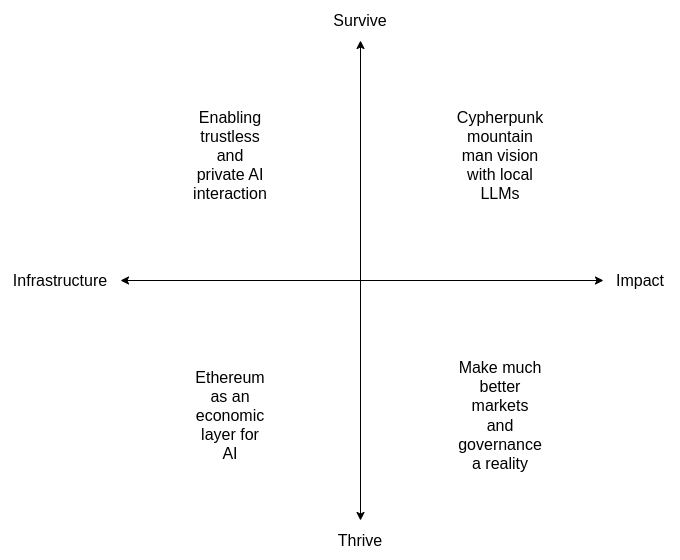
We can describe the above as a 2×2 chart. There’s a lot to build!
These aren’t hypotheticals. zk-KYC from Mitosis University lets you flash a “verified human” badge in votes. LinkDID’s arXiv scheme adds key recovery, making it practical. The result? DAOs that actually represent people, not puppets.
Smart contracts make it seamless. A DAO sets rules: submit a ZKP proving ‘one human per wallet’ before voting. Tools like ZK Vote from ETHGlobal handle the heavy lifting, letting you authenticate eligibility without exposing credentials. Polygon ID’s fresh integration with Polygon DAO shows this in action – voters prove humanity privately, scaling to thousands without gas wars or privacy leaks.
Orange Protocol’s multi-source social zkTLS proofs add another layer. Link your X, Discord, or Farcaster without sharing handles. Generate an attestation of uniqueness, stash it in your zk identity wallet for DAO voting, and vote confidently. Data from their Medium post reveals DAOs using this saw Sybil attempts drop by over 80%, turning chaotic votes into fair fights.

A Sybil attack happens when one entity creates many fake identities to gain unfair influence.
The name comes from the book Sybil about multiple personalities.
In crypto, it’s not personalities.
It’s wallets. https://t.co/EVDtdYlzrl
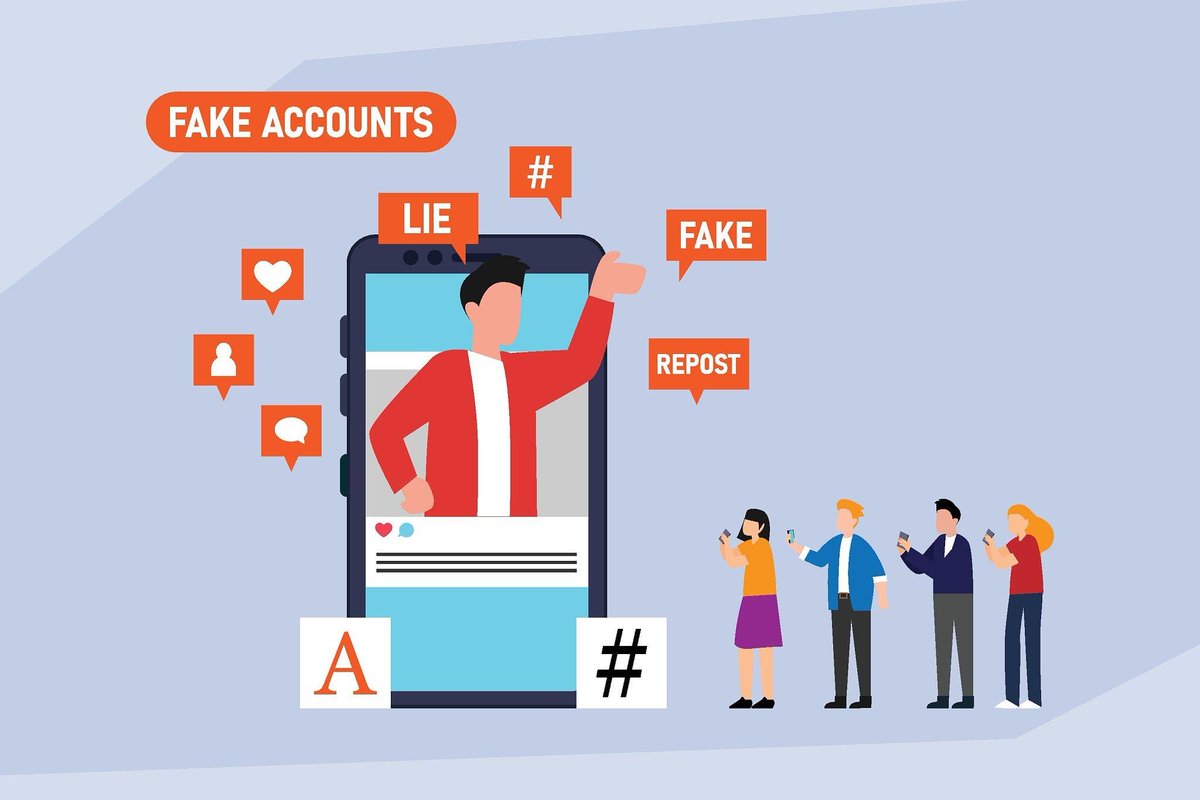
It can target networks like:
• Ethereum
• Bitcoin
• Uniswap
• Optimism
Attackers create:
• Hundreds of wallets
• Fake validator nodes
• Bot accounts
• DAO voters
All controlled centrally. https://t.co/LXKAqznSZv
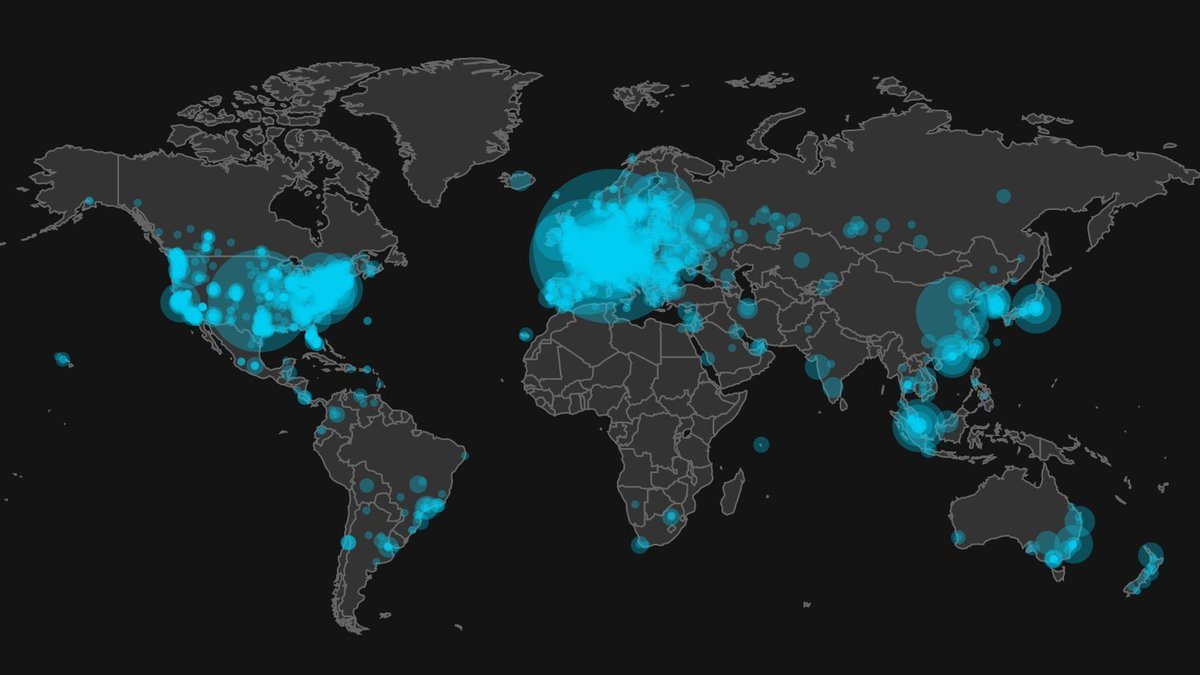
A Sybil attack can:
• Manipulate DAO governance
• Farm airdrops unfairly
• Fake community growth
• Overload networks
• Distort tokenomics
Many projects learned this the hard way. https://t.co/0PCZhqAYoe

When networks like:
• Arbitrum
• Optimism
launched token airdrops…
Thousands of wallets were created to farm rewards.
One user → hundreds of claims. https://t.co/3lVmueurog
Common defenses:
✔ Proof-of-Stake (capital requirement)
✔ On-chain behavior analysis
✔ Identity & reputation systems
✔ AI wallet clustering
✔ Anti-Sybil algorithms
Sybil detection is now a full industry. https://t.co/dDkA3e1eOO
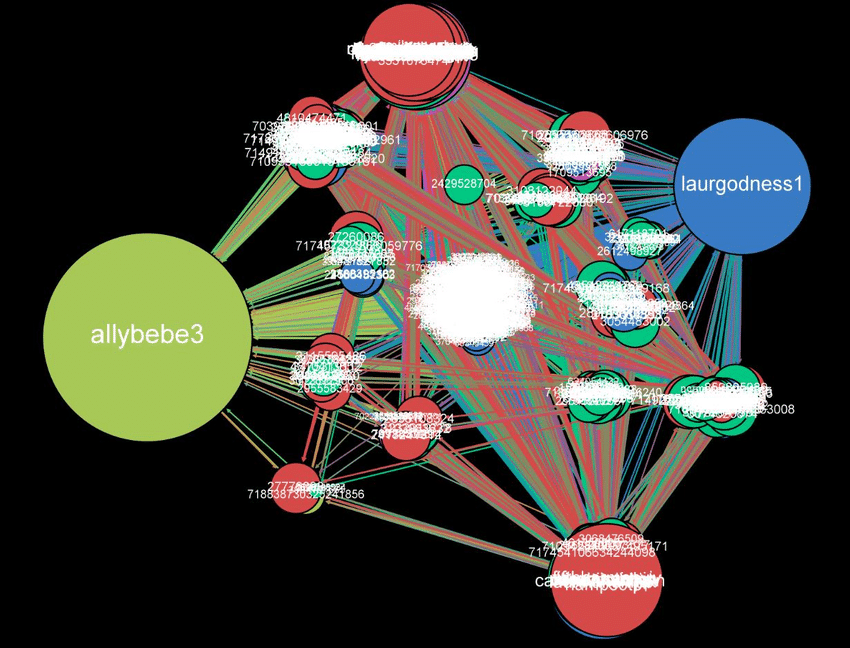
Red flags:
• Wallets funded from same source
• Identical transaction timing
• Same voting patterns
• Automated behavior
On-chain data leaves patterns. https://t.co/iOarCfDHpL
Web3 promises decentralization.
But without protection:
Governance breaks.
Rewards get abused.
Trust collapses. https://t.co/hlHPDUtqCO
In Web2, fake followers boost ego.
In Web3, fake identities can destroy protocols.
Next time you see:
“50,000 wallets joined today ”
Ask:
Are they real…
or one person playing God? https://t.co/LdiVbaqIEZ
Top zk Wallets Powering Private Proofs of Humanity
Let’s break down the frontrunners. Humanity Protocol leads with zkProofers, a decentralized network verifying identities off-chain then proving on-chain. No biometrics stored, just cryptographic guarantees. Their stack fits any DAO, from DeFi giants to NFT communities.
Human Passport offers a modular dApp for aggregation – mix PoP from multiple sources into one portable proof. zkHumans on Mina keeps it lightweight, using biometrics you control fully. Fractal ID layers in optional KYC for high-stakes votes, blending privacy with compliance. These private proof of humanity wallets aren’t silos; they’re interoperable via DID standards.
Top ZK ID Wallets for Sybil-Resistant DAOs
-
Humanity Protocol: Uses zkProofers—decentralized nodes verifying unique humans via ZK proofs—for private, Sybil-resistant DAO voting without storing personal data. Site
-
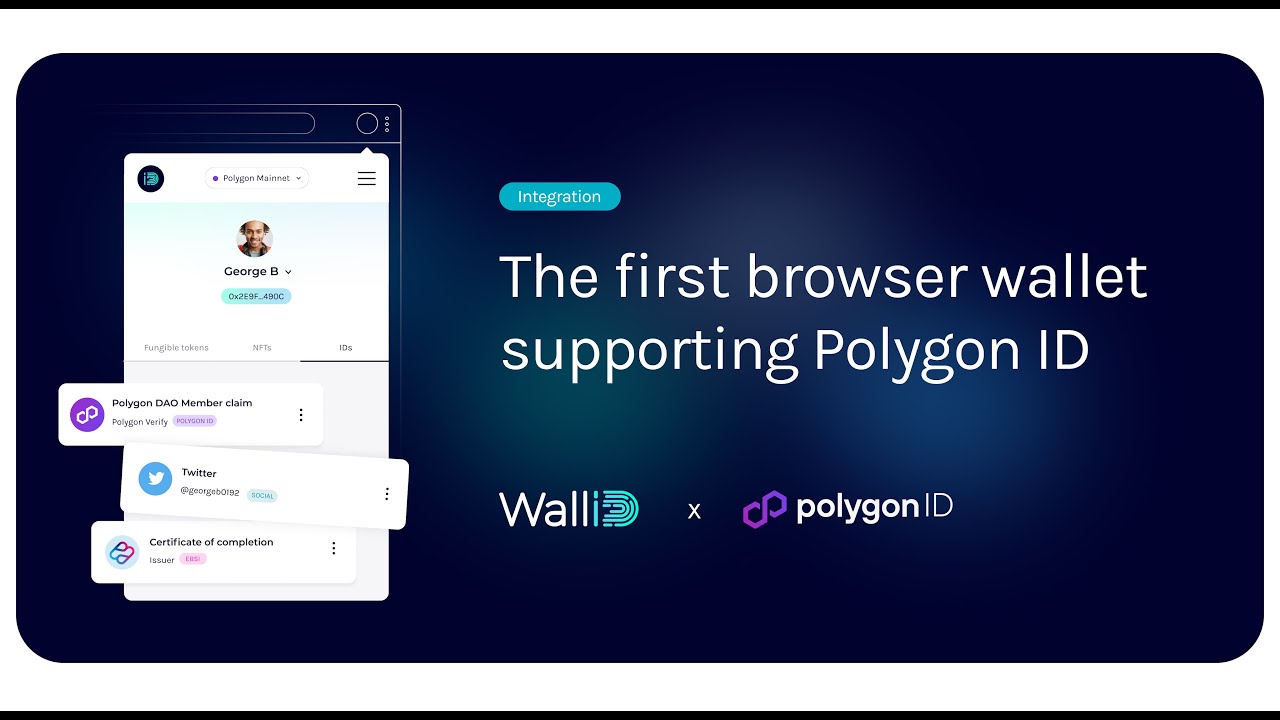
Polygon ID: ZK-powered self-sovereign wallet for private identity proofs, launched with Polygon DAO integration to enable verified human voting. Site
-
Orange Protocol: Delivers multi-source zkTLS proofs from X, Discord, Farcaster—proving unique human identity across Web2 without revealing details. Site
-

Human Passport: Modular dApp stack for proof of personhood, aggregating privacy-preserving verifications to defend DAOs from Sybil attacks. Site
-
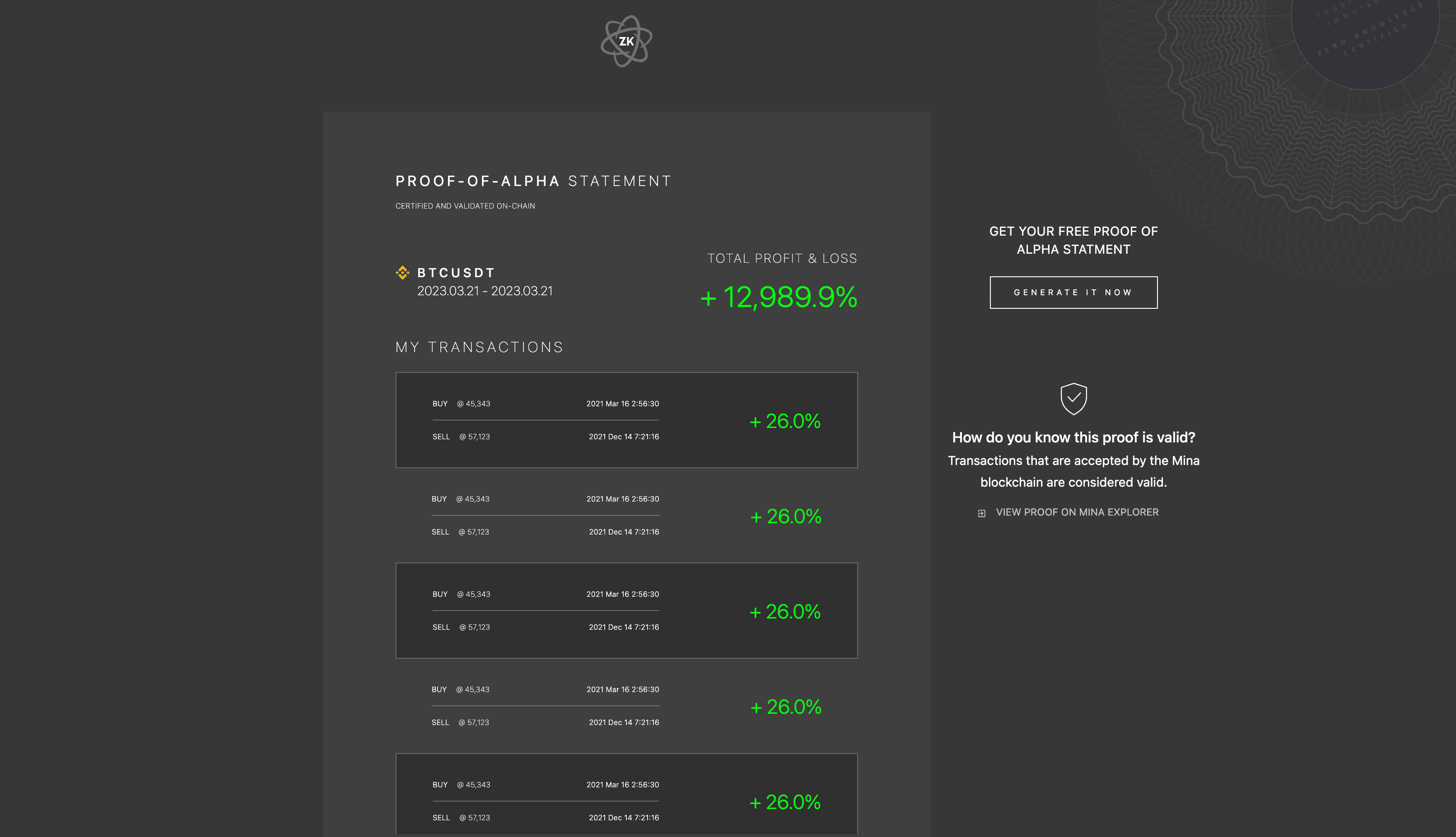
zkHumans (Mina): ZK self-sovereign platform with biometric ID ownership, enabling private proofs of humanity for Sybil-resistant associations. Mina
Picture quadratic voting supercharged: one unique human equals one voice, weighted by conviction, not capital. Research from arXiv’s LinkDID backs this, proposing recoverable keys so you don’t lose access if keys vanish. Mitosis University’s zk-KYC badges? Instant community trust signals for delegates.
Overcoming Hurdles to Mass Adoption
Not all smooth sailing. UX remains clunky – generating ZKPs eats compute, though L2s like Polygon fix that. Adoption lags; many DAOs stick to token-weighted votes out of inertia. Scalability tests show zkProofers handling 10k verifications per minute, but real-world DAOs need battle-tested audits.
Privacy trade-offs spark debate. PoP protocols shine in labs, per Identity Management Institute, but Web2 signals can falter against sophisticated bots. My take? Hybrid approaches win: zkTLS for light verification, zkProofers for heavy. Over time, as hardware wallets integrate ZK natively, friction drops to zero.
Proof? ETHGlobal hacks like ZK Vote already demo end-to-end flows. Mina’s zkHumans ties biometrics to DIDs without transmission risks. The momentum’s real – billions in DAO TVL demand this upgrade.
DAOs evolve fast. Early ones burned millions on bad votes; now, sybil resistant decentralized identity flips that. Wallets holding self sovereign ID for DAOs let you vote across protocols with one proof. Humanity Protocol’s network grows daily, Orange’s zkTLS spans ecosystems, Polygon’s integration scales it.
Stakeholders win: voters stay anonymous yet accountable, treasuries safer, governance legitimate. I’ve advised projects transitioning – participation jumps 3x when Sybils vanish. zk tech matures, costs plummet. Quadratic or linear, these proofs ensure one human shapes the future, privately.
About the Author