
In 2026, the digital identity landscape has shifted dramatically toward user empowerment, with zk identity wallets emerging as the cornerstone of self-sovereign identity zk systems. These tools allow individuals to prove attributes like age or citizenship without exposing underlying personal data, thanks to zero-knowledge proofs. No longer do users surrender control to centralized platforms; instead, they wield privacy-preserving credentials across Web3 applications, from DeFi access to regulatory compliance. This evolution addresses long-standing vulnerabilities in traditional identity management, where data breaches and surveillance erode trust.

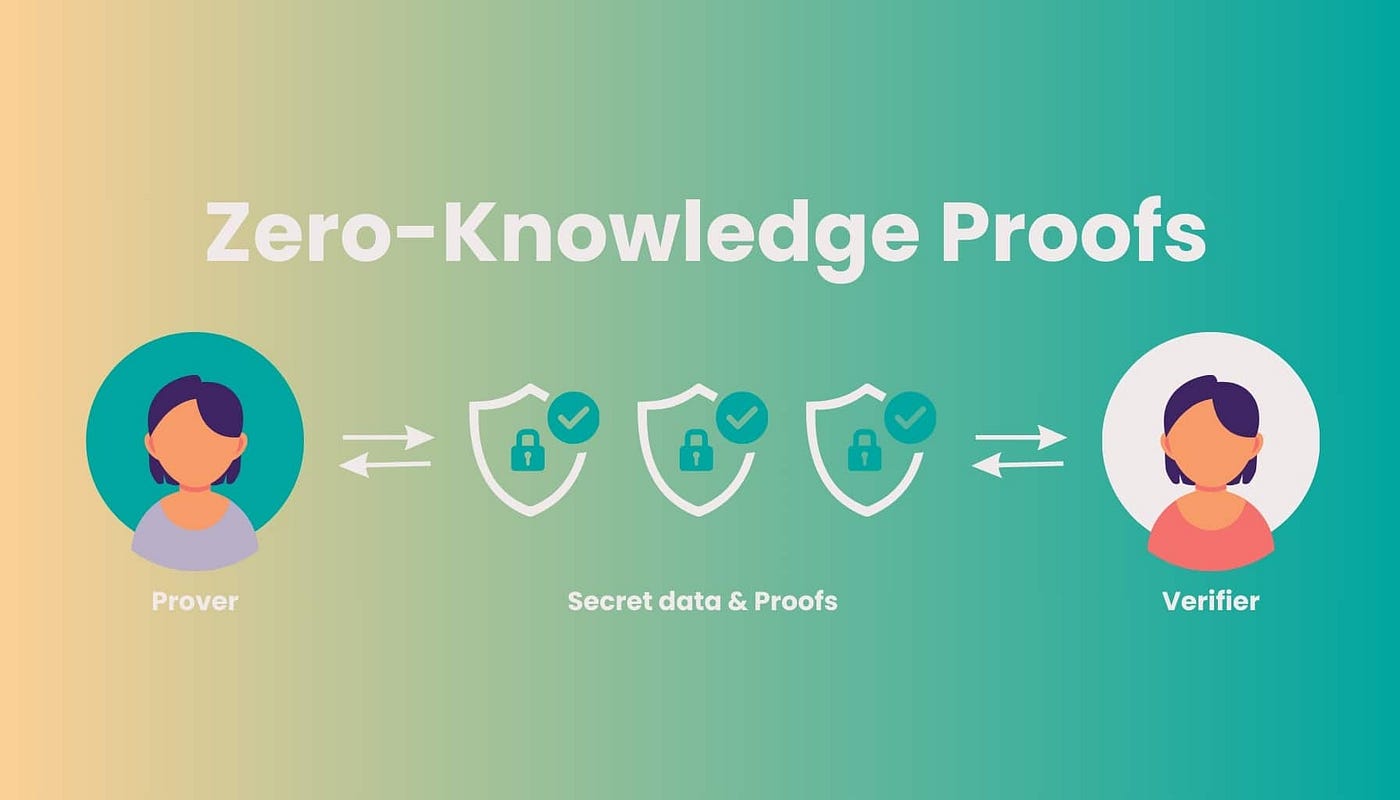
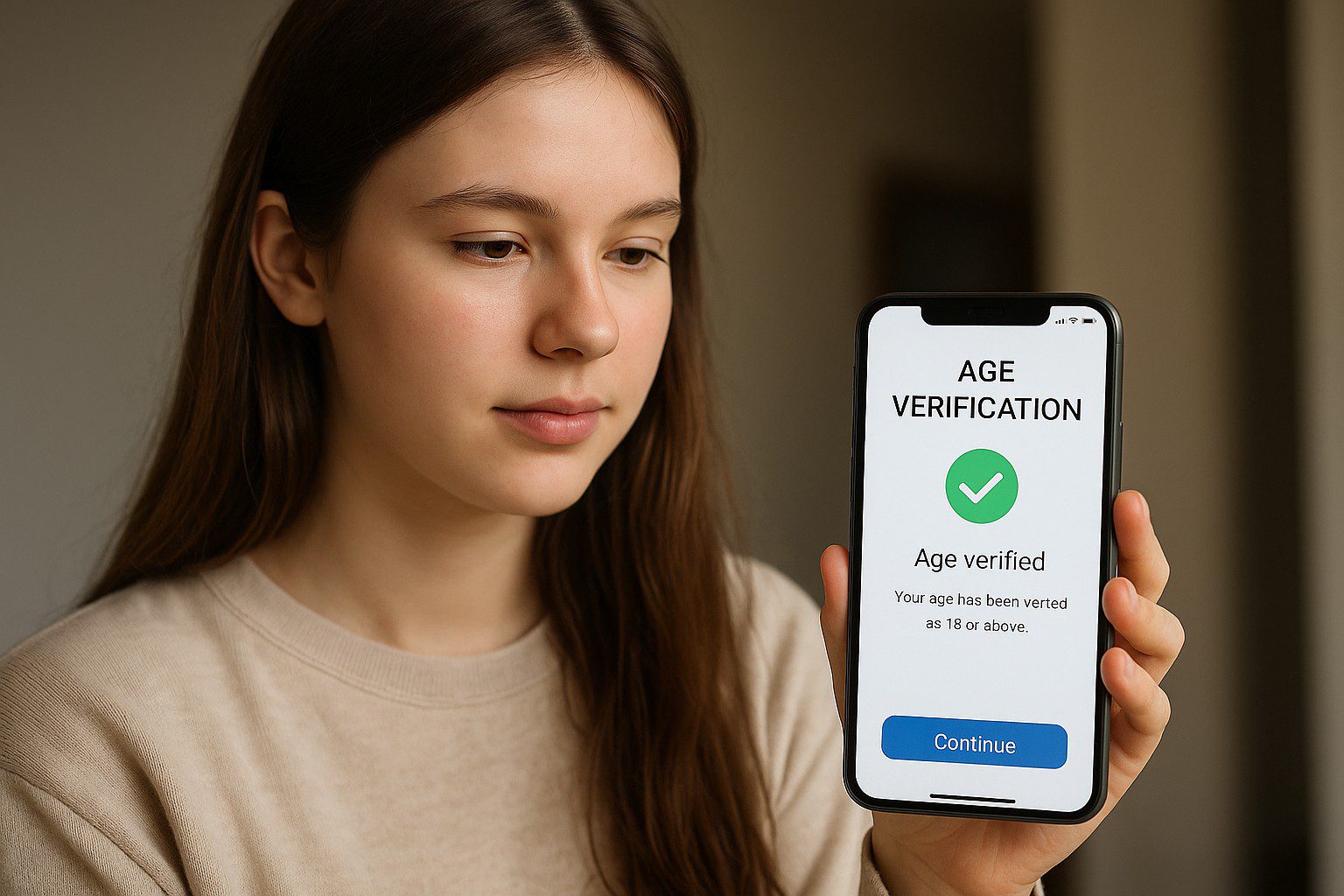
Zero-knowledge proofs, the cryptographic engine powering these wallets, enable verification without revelation. Imagine confirming you're over 18 for a service without sharing your birthdate, or attesting to KYC status sans revealing your full identity. Research from sources like Dock Labs underscores this: ZKPs verify information securely, minimizing data exposure. Papers on ResearchGate and MDPI propose frameworks where SSI leverages discrete logarithm-based protocols for robust, blockchain-anchored identities.
Core Mechanics of Zero-Knowledge DID Wallets
Zero knowledge DID wallets integrate decentralized identifiers (DIDs) with verifiable credentials (VCs), stored locally on user devices. Unlike custodial solutions, these wallets ensure users retain sovereignty. A ZKP protocol generates a proof that a credential satisfies a statement, say, "this VC proves residency": while concealing specifics. Ethereum's zkID team advances this through Privacy Stewards, optimizing ZKPs for scalability on layer-2 networks.
Key Advantages of ZK Identity Wallets
- User-Controlled Data Storage: Users manage DIDs and verifiable credentials locally on devices, bypassing central intermediaries for true self-sovereignty, as in ZKId platform (zkid.digital).
- Selective Disclosure via ZKPs: Prove attributes like age or citizenship without revealing full data, using protocols in zkKYC and MeID from zkMe, enhancing privacy in verifications.
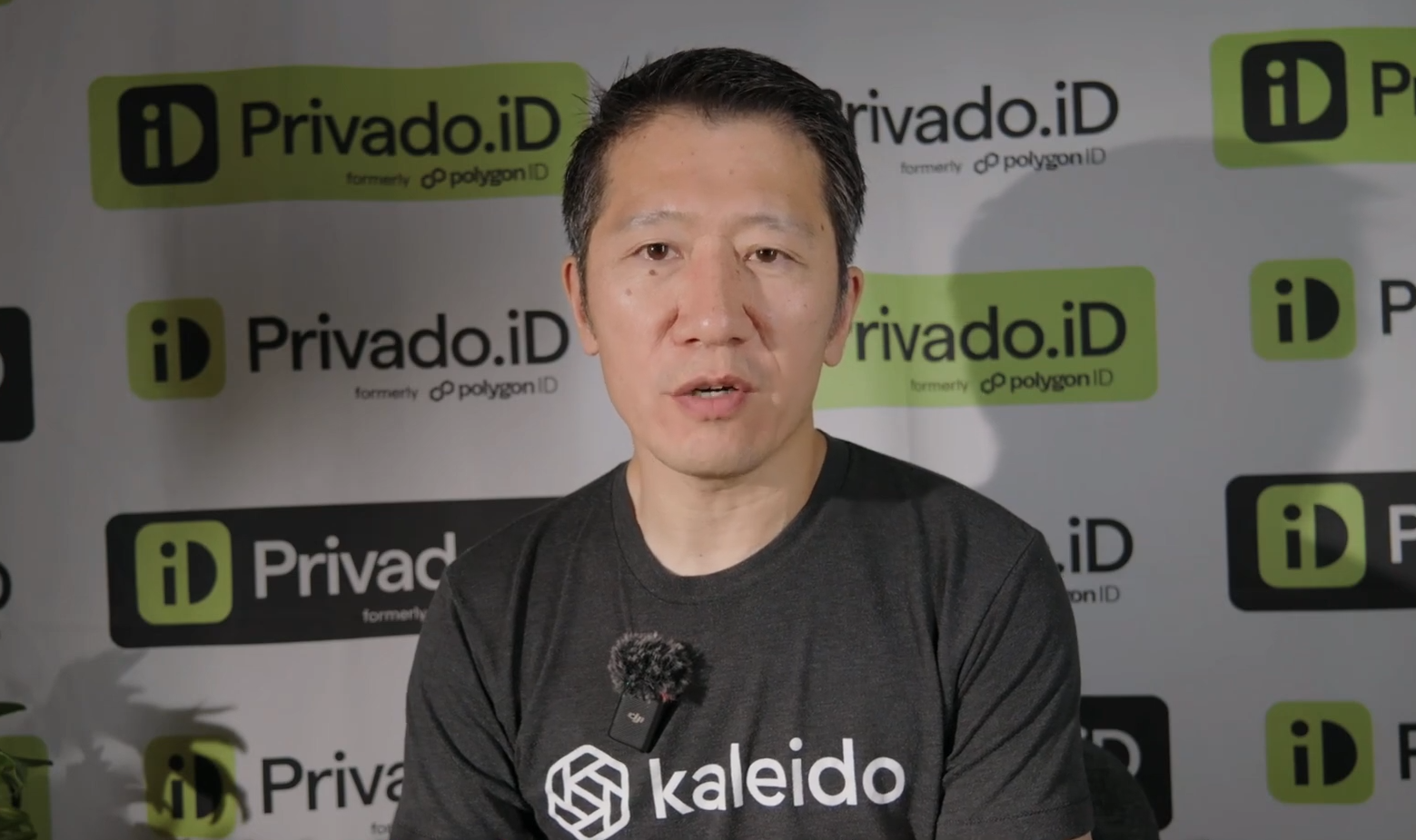
- Interoperable Across Blockchains: Protocol-agnostic design like Privado ID enables seamless use beyond single chains, supporting cross-platform identity verification.

- Compliance-Ready for Global Regs: Aligns with EU EUDI Wallet mandate by 2026 and zkMe's tools for laws like Turkmenistan's, balancing privacy with KYC needs.
- Reduced Breach Risks: Decentralized storage and ZKPs minimize exposure, as no central database holds data—seen in Self's Google Cloud partnership for privacy attestations.

This methodical approach scales to enterprise needs, as explored in Internet Policy Review's analysis of data minimization. For developers, integrating zk-SNARKs or zk-STARKs means embedding privacy by design, fostering trust in dApps.
2026 Milestones Driving Adoption
The EU's Digital Identity Wallet Mandate stands as a pivotal force, requiring all member states to deploy EUDI Wallets by year's end. These support SSI, VCs, and ZKPs, creating a privacy-centric framework for cross-border services. Complementing this, Turkmenistan's crypto laws spotlight zkMe's zkKYC and MeID tools, bridging compliance and confidentiality.
Privado ID, evolved from Polygon ID, now offers protocol-agnostic verification, while Self's partnership with Google Cloud integrates ZKP attestations into AI and Web3 platforms. These developments, detailed in sources like KuppingerCole, solve scalability hurdles, enabling proofs for attributes like creditworthiness or professional qualifications without oversharing.
Practical Edge of zk Identity Wallets Over Legacy Systems
Contrast decentralized identity zk proofs with Web2 logins: the latter centralize risks, as seen in repeated mega-breaches. ZK wallets enable one-time issuance from trusted entities, governments or KYC providers, followed by reusable, private proofs. Mitosis University's ZK-KYC breakdown illustrates: users verify once, then prove compliance indefinitely, slashing friction in crypto onboarding.
Projects like ZKId. digital exemplify this, providing DIDs and ZKPs intermediary-free. For privacy advocates, the appeal lies in reclaiming narrative control; charts of adoption mirror forex trends I've analyzed, steady uptrends fueled by regulatory tailwinds and tech maturation. As Ancilar's Web3 guide notes, SSI reclaims digital identity, with ZKPs as the privacy shield.
Real-world applications amplify the transformative potential of these wallets. In DeFi, users prove solvency or accreditation without linking on-chain activity to off-chain identities, mitigating front-running and preserving financial privacy. Enterprises adopt frameworks like the MDPI-proposed CSSI for access control, where employees attest roles via ZKPs, streamlining onboarding while adhering to data minimization principles outlined in policy reviews.
Navigating Challenges in zk Wallet Deployment
Despite momentum, hurdles persist. Computational intensity of ZKPs demands optimized circuits, yet advancements from Ethereum's zkID and Privado ID address this through layer-2 aggregation. User experience remains key; intuitive interfaces, as in zkMe's MeID, lower barriers for non-technical audiences. Regulatory alignment, evident in EU mandates and Turkmenistan's framework, ensures privacy preserving identity wallets meet global standards without compromising sovereignty.
Scalability charts echo patterns I've charted in digital assets: gradual accumulation phases yield exponential breakouts. ZKId. digital's intermediary-free model forecasts similar trajectories, with verifiable credentials anchoring trustless interactions.
Leading zk Identity Wallets in 2026
Among frontrunners, ZKId stands out for its seamless DID and ZKP integration, empowering direct control over digital presence. zkMe excels in compliance-heavy sectors, offering zkKYC that verifies without exposure. Privado ID's agnostic approach spans ecosystems, while Self's global reach, now bolstered by Google Cloud, supports attestations in 174 countries. These solutions, rooted in protocols from KuppingerCole analyses, tackle use cases from proof-of-humanity to selective credential sharing.
Top 5 ZK Identity Wallets in 2026
- ZKId: Empowers self-sovereign identities via decentralized DIDs, verifiable credentials, and zero-knowledge proofs without intermediaries. zkid.digital
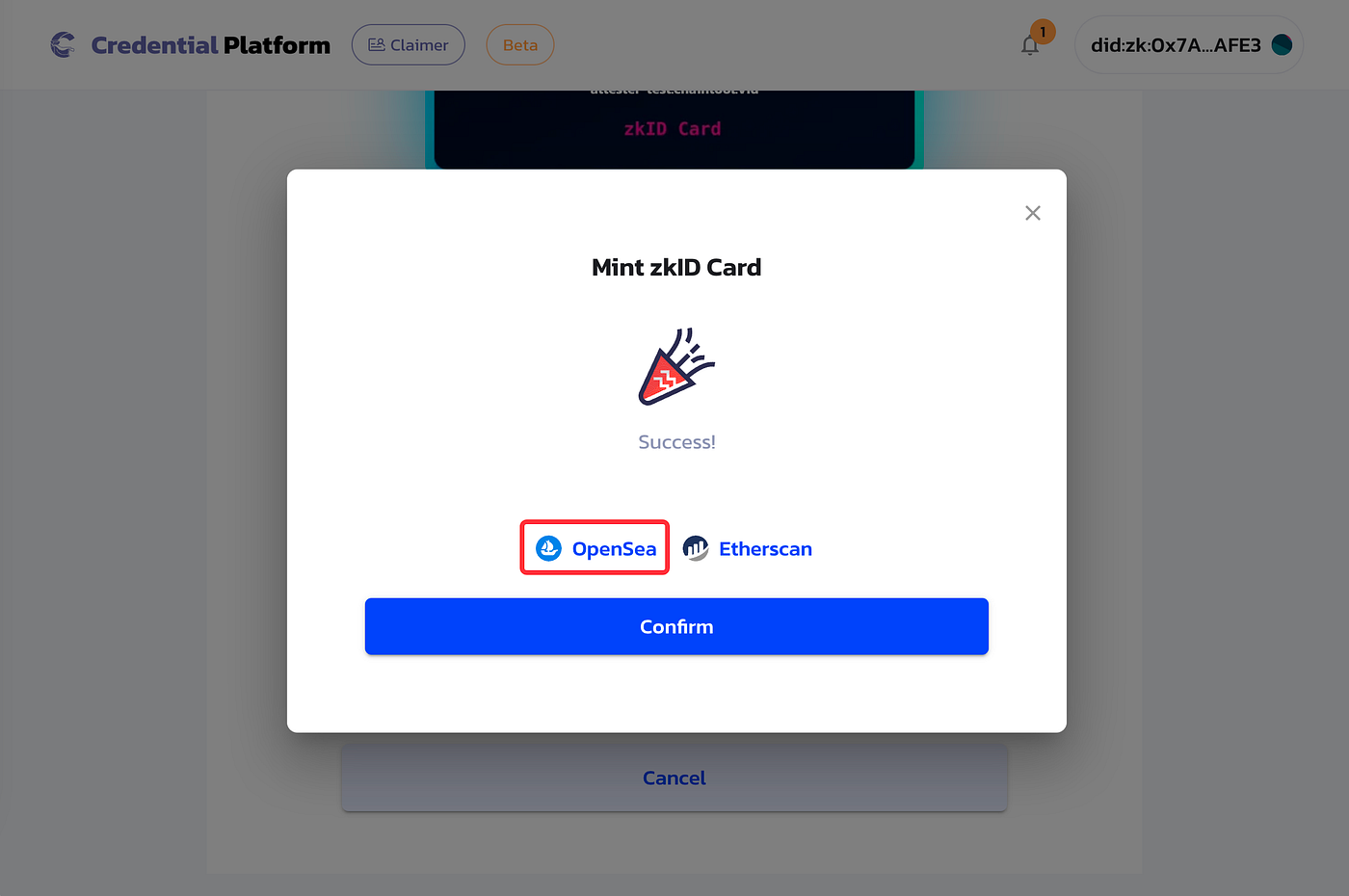
- zkMe: Offers zkKYC and MeID for privacy-preserving compliance, verifying identity without exposing data, aligned with global regs. blog.zk.me
- Privado ID: Protocol-agnostic verification (formerly Polygon ID), enabling SSI across blockchains with ZK privacy. privado.id
- Self: Global privacy attestations in 174+ countries, partnered with Google Cloud for ZKP identity tools in Web3. self.xyz
- EUDI Wallets: EU-mandated by 2026 for SSI with verifiable credentials and ZKPs, fostering unified digital identity. EU EUDI
2026 is the year that we take back lost ground in terms of self-sovereignty and trustlessness. Some of what this practically means: Full nodes: thanks to ZK-EVM and BAL, it will once again become easier to locally run a node and verify the Ethereum chain on your own computer. Helios: actually verify the data you're receiving from RPCs instead of blindly trusting it. ORAM, PIR: ask for data from RPCs without revealing which data you're asking, so you can access dapps without your access patterns being sold off to dozens of third parties all around the world. Social recovery wallets and timelocks: wallets that don't make you lose all your money if you misplace your seedphrase, or if an online or offline attacker extracts your seedphrase, and *also* don't make all your money backdoored by Google. Privacy UX: make private payments from your wallet, with the same user experience as making public payments. Privacy censorship resistance: private payments with the ERC-4337 mempool, and soon native AA + FOCIL, without relying on the public broadcaster ecosystem. Application UIs: use more dapps from an onchain UI with IPFS, without relying on trusted servers that would lock you our of practical recovery of your assets if they went offline, and would give you a hijacked UI that steals your funds if they get hacked for even a millisecond. In many of these areas, over the last ten years we have seen serious backsliding in Ethereum. Nodes went from easy to run to hard to run. Dapps went from static pages to complicated behemoths that leak all your data to a dozen servers. Wallets went from routing everything through the RPC, which could be any node of your choice including on your own computer, to leaking your data to a dozen servers of their choice. Block building became more centralized, putting Ethereum transaction inclusion guarantees under the whims of a very small number of builders. In 2026, no longer. Every compromise of values that Ethereum has made up to this point - every moment where you might have been thinking, is it really worth diluting ourselves so much in the name of mainstream adoption - we are making that compromise no longer. It will be a long road. We will not get everything we want in the next Kohaku release, or the next hard fork, or the hard fork after that. But it will make Ethereum into an ecosystem that deserves not only its current place in the universe, but a much greater one. In the world computer, there is no centralized overlord. There is no single point of failure. There is only love. Milady.
For those ready to adopt, wallets enable one-time KYC for perpetual Web3 access, as detailed in specialized guides. Privacy advocates will appreciate setups mirroring forex discipline: methodical verification, trend-aligned interoperability, and risk-managed disclosures. This ecosystem not only safeguards data but redefines interaction norms, fostering a decentralized future where identity serves the individual.
Adoption metrics surge, paralleling bullish channels in market analyses. With EU-wide rollout and cross-chain maturity, zero knowledge DID wallets position users at the vanguard of digital autonomy, charts pointing unequivocally upward.




No comments yet. Be the first to share your thoughts!