
In the sprawling ecosystem of Web3, where decentralized applications proliferate across countless blockchains, the ritual of repeated KYC verification stands as a formidable barrier to seamless user experience. Every dApp, launchpad, or DeFi protocol demands fresh identity proofs, exposing users to privacy risks and wasting precious time. Enter the idOS Network DID wallet, a pioneering solution that promises to verify KYC once and reuse it everywhere, fortifying Web3 privacy in 2025 and beyond. This self-sovereign identity platform redefines decentralized ID reuse, empowering users with control over their data while satisfying regulatory demands.
idOS DID Wallet Key Features
- Reusable KYC: Users verify identity once and reuse credentials across dApps and platforms without repetition. idos.network
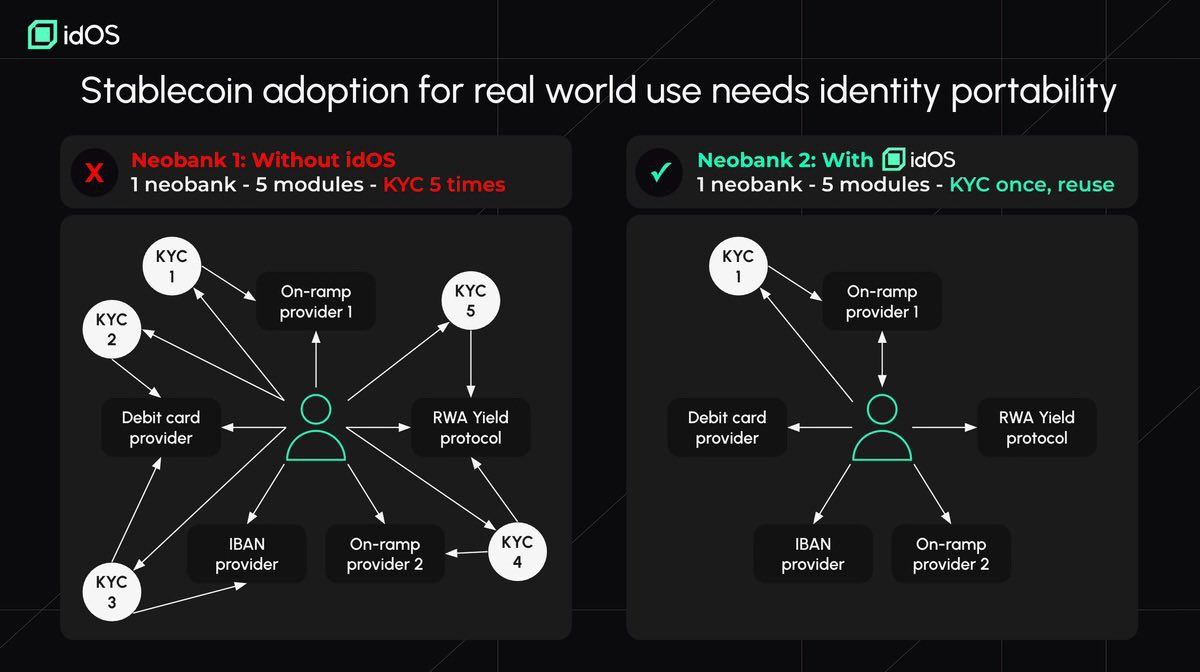
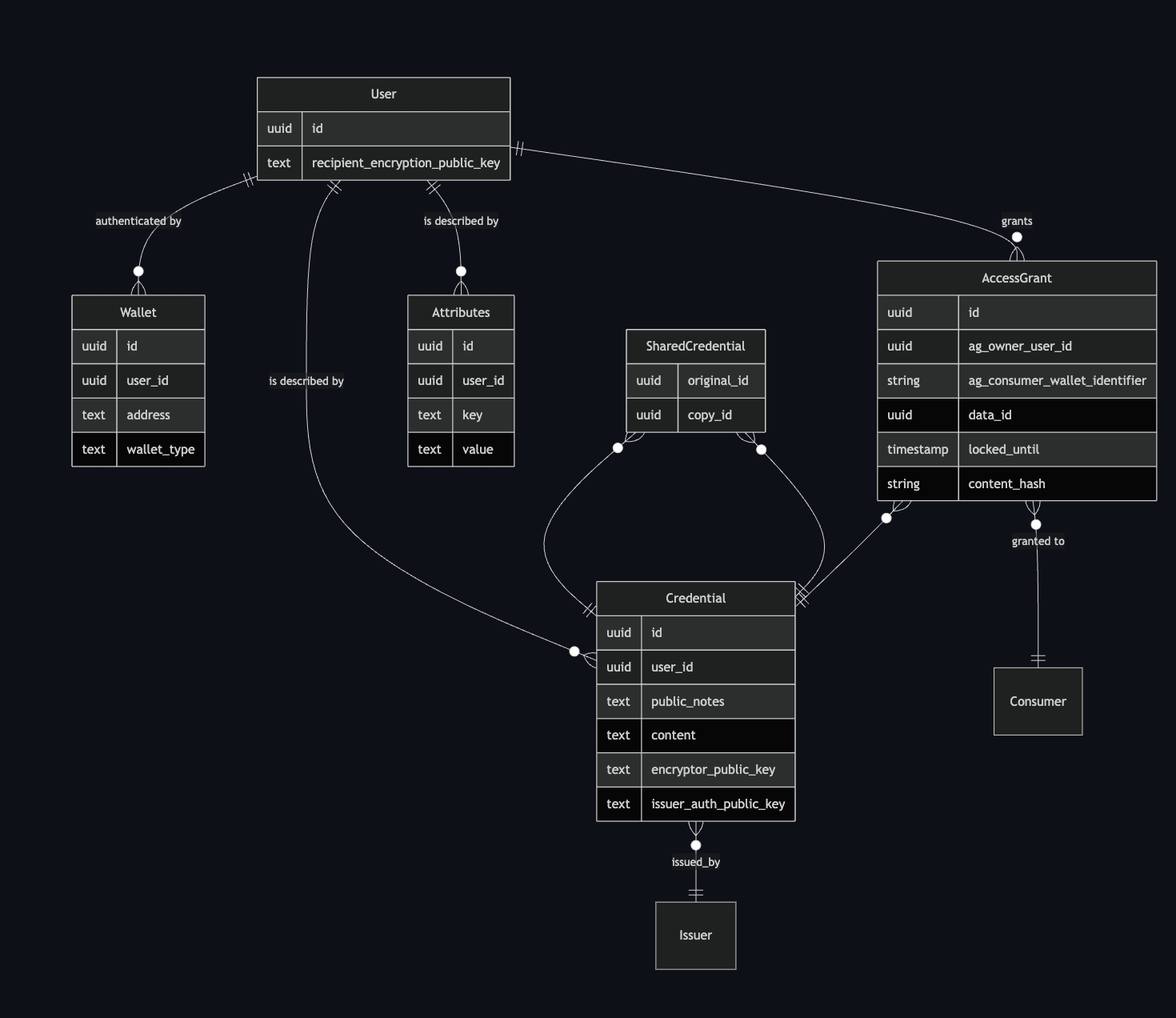
- Self-Custodial Storage: Data is encrypted and stored decentrally, giving users full control over their information. docs.idos.network
- Multi-Chain Support: Compatible with over 40 blockchains for seamless identity verification across networks. onchainpassport.org
- Enhanced Security via MPC: Integrates Multi-Party Computation with Partisia Blockchain for secure private key management. idos.network

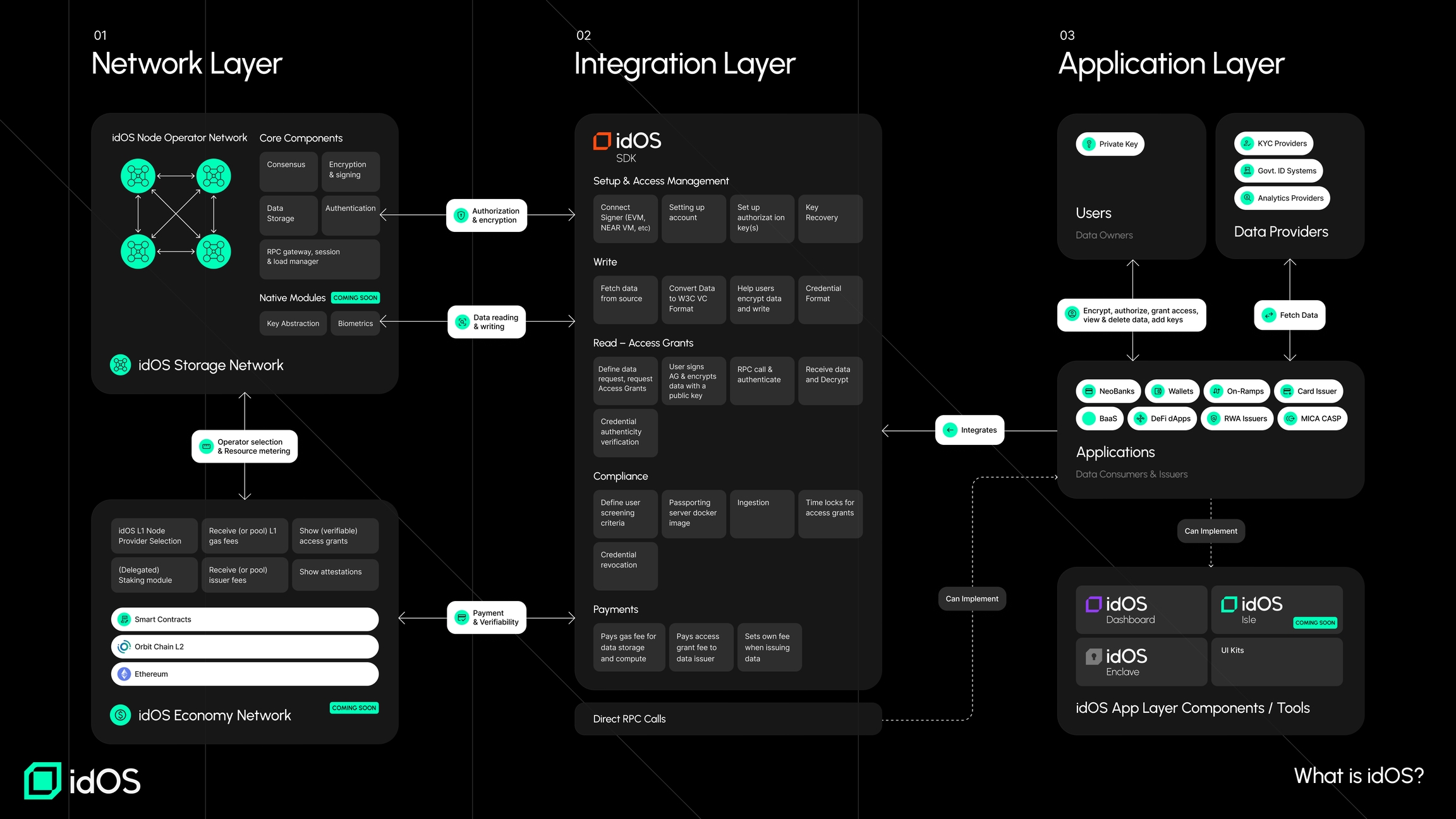
As a senior analyst tracking digital identity platforms, I view idOS not merely as another wallet, but as the foundational identity layer Web3 desperately needs. Its idOS network wallet integrates effortlessly via a single SDK, supporting over 40 major chains and all prominent KYC providers. This eliminates the fragmentation plaguing current systems, where users juggle multiple credentials across silos.
Breaking Down Reusable KYC Mechanics
The genius of idOS lies in its streamlined workflow. Users complete a one-time identity verification, after which credentials are encrypted and distributed across a decentralized storage network. This DID wallet KYC approach ensures data remains self-custodial; individuals alone hold the keys to grant or revoke access. No central authority hoards sensitive information, mitigating breach risks inherent in traditional setups.
Consider DeFi participation: platforms often mandate KYC for compliance amid rising regulatory scrutiny on IDOs and launchpads. With idOS, a single verification unlocks access everywhere, from non-custodial wallets to centralized exchanges requiring allowlists. This self-sovereign identity DeFi model aligns investor protection with user autonomy, a balance I advocate strongly after two decades analyzing regulatory impacts.
Security Foundations and Privacy Innovations
idOS elevates standards through deliberate design principles. Its security core leverages Multi-Party Computation (MPC) via partnerships like Partisia Blockchain, securing private keys without single points of failure. Privacy is paramount; zero-knowledge proofs enable verification without data exposure, positioning idOS as a leader in zk identity wallet 2025 trends.
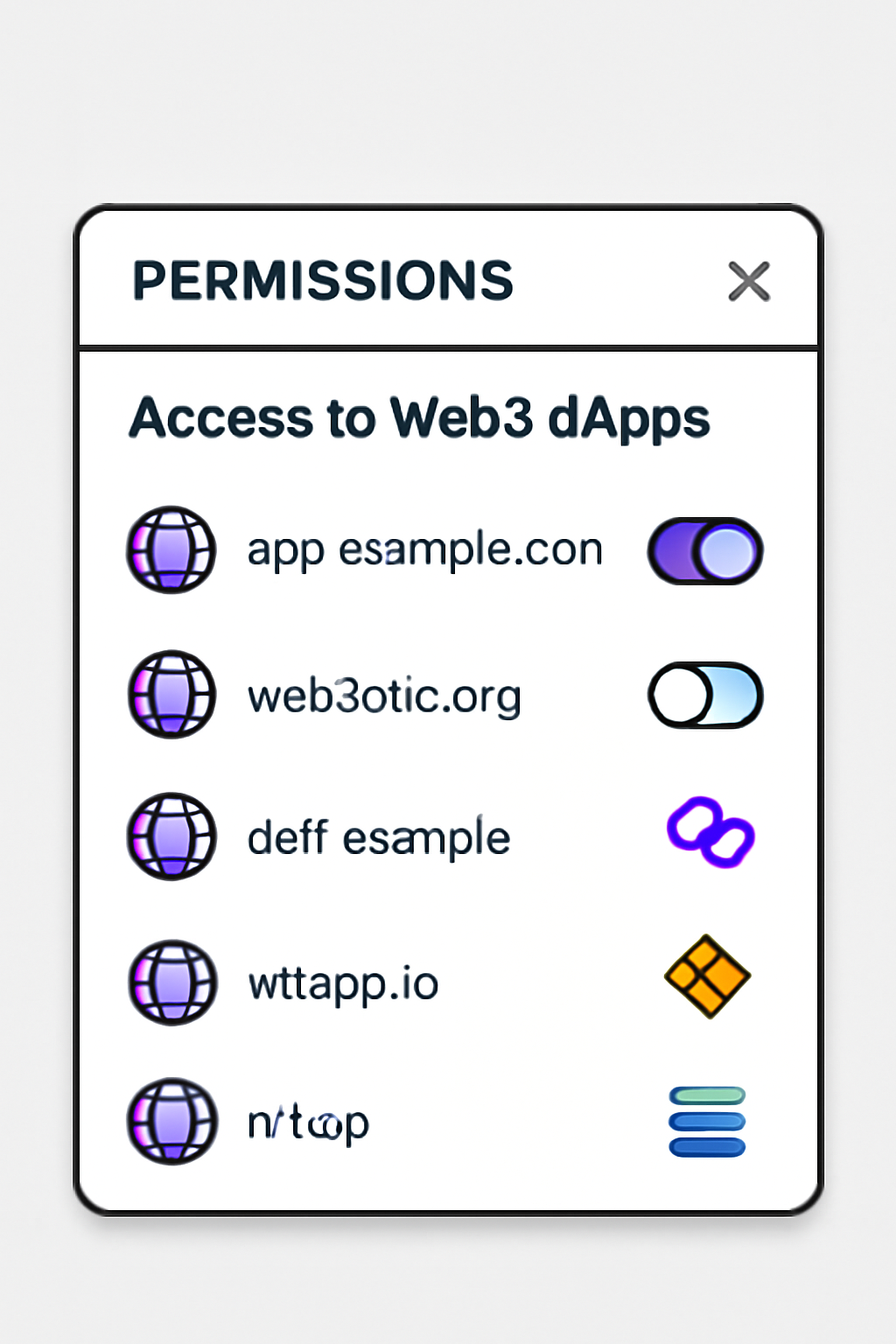
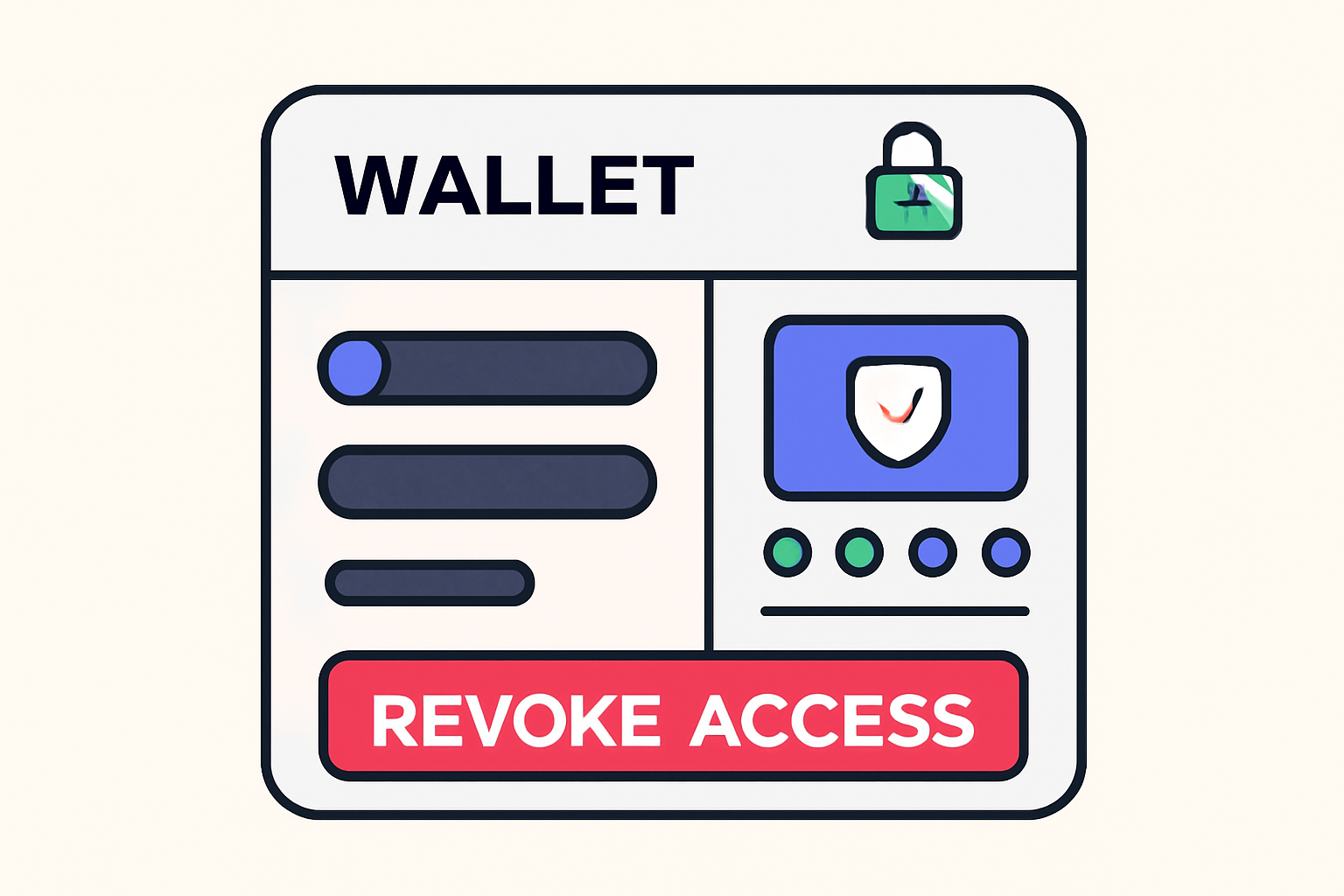
The idOS access is fully user-controlled! It can be granted or revoked at any moment, putting authority back into the hands of the individual.
This user-centric ethos addresses longstanding critiques of decentralized identity. Unlike wallet-only IDOs that impose geofences, idOS offers portable, verifiable proofs that dApps can trust instantly. Developers benefit from plug-and-play integration, reducing onboarding friction that deters mainstream adoption.
Strategic Funding and Ecosystem Momentum
Fueled by a robust $4.5 million consortium funding round in July 2024, led by Fabric Ventures with backers including Arbitrum Foundation, Circle Ventures, Ripple, NEAR Foundation, Gnosis, Aleph Zero, Radix, and Tezos Foundation, idOS is scaling aggressively. This capital infusion underscores institutional confidence in decentralized ID reuse as a cornerstone for compliant Web3 growth.
Recent developments amplify excitement. A community sale looms in November 2025, mandating KYC via idOS to secure allocations, while an airdrop rewards early engagers. These initiatives blend accessibility with verification rigor, mirroring trends where even decentralized launchpads embed KYC/AML protocols. For more on cross-chain portability, explore how idOS enables portable identity across 40 blockchains.
These momentum-building efforts position idOS at the nexus of user empowerment and ecosystem expansion. As regulatory pressures mount on IDO platforms and launchpads, where even wallet-based access often hides KYC layers or geofences, idOS delivers a compliant alternative that prioritizes decentralized ID reuse. Investors eyeing 2025 trends should note how this network bridges self-sovereign principles with practical utility, much like top launchpads that vet projects rigorously for ROI potential.
Onboarding with idOS: A Seamless User Journey
Adopting the idOS Network DID wallet transforms identity management from a chore into a strategic asset. Whether you're a DeFi trader navigating multiple chains or a developer building privacy-first dApps, the process emphasizes simplicity and control. This DID wallet KYC setup aligns with my advocacy for tools that enhance financial literacy without compromising security.
Set Up idOS DID Wallet: Verify KYC Once, Reuse Across 40+ Chains
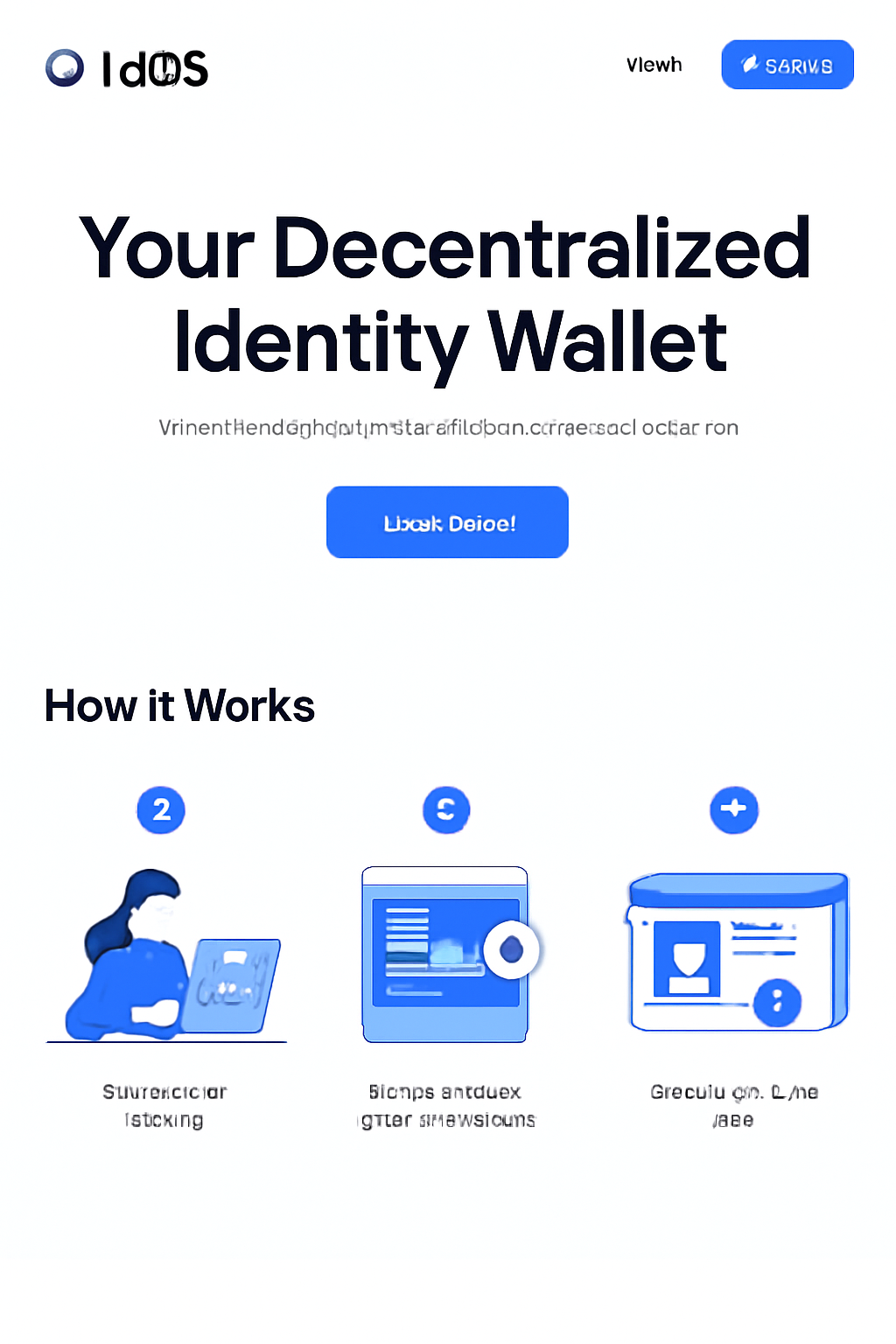
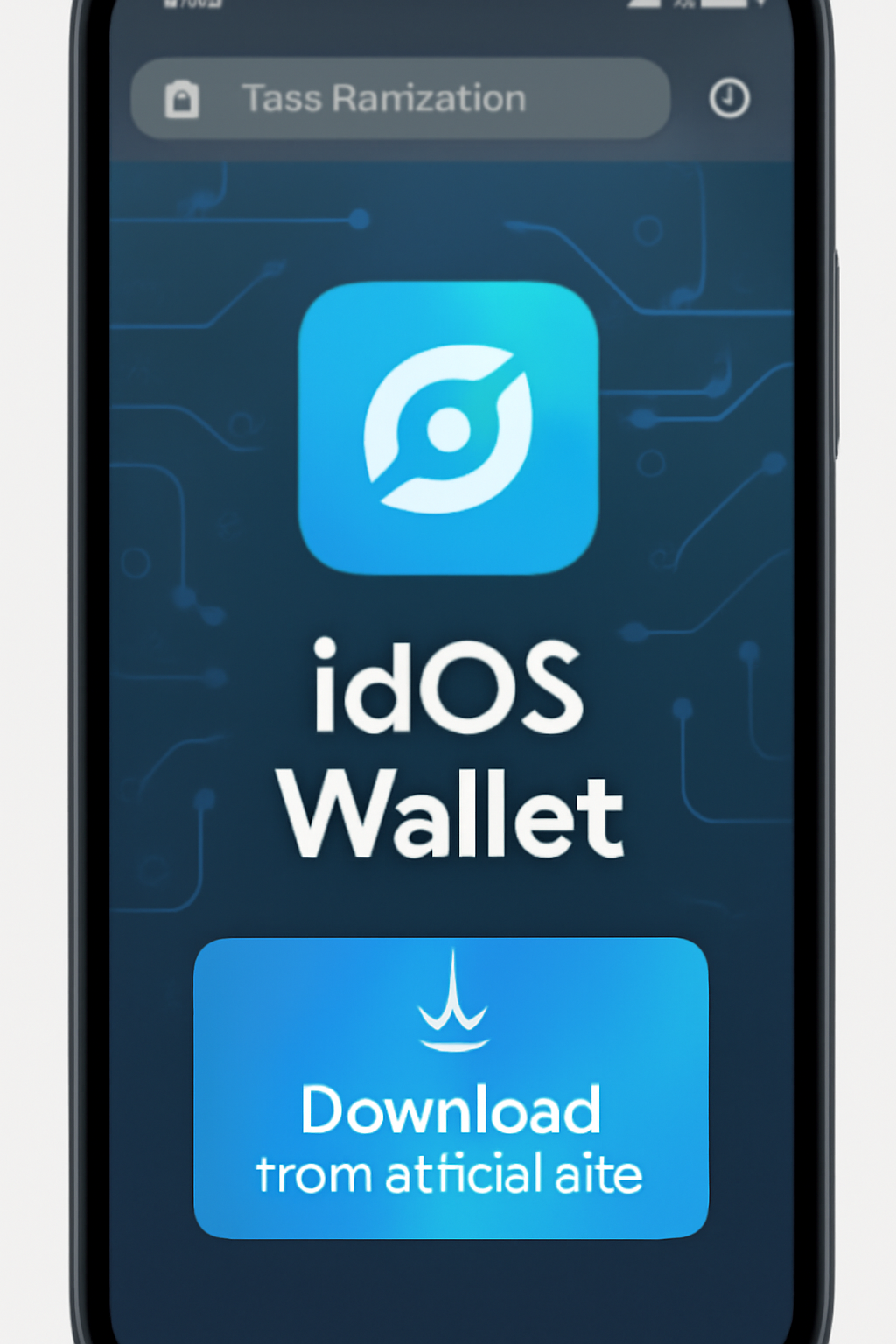
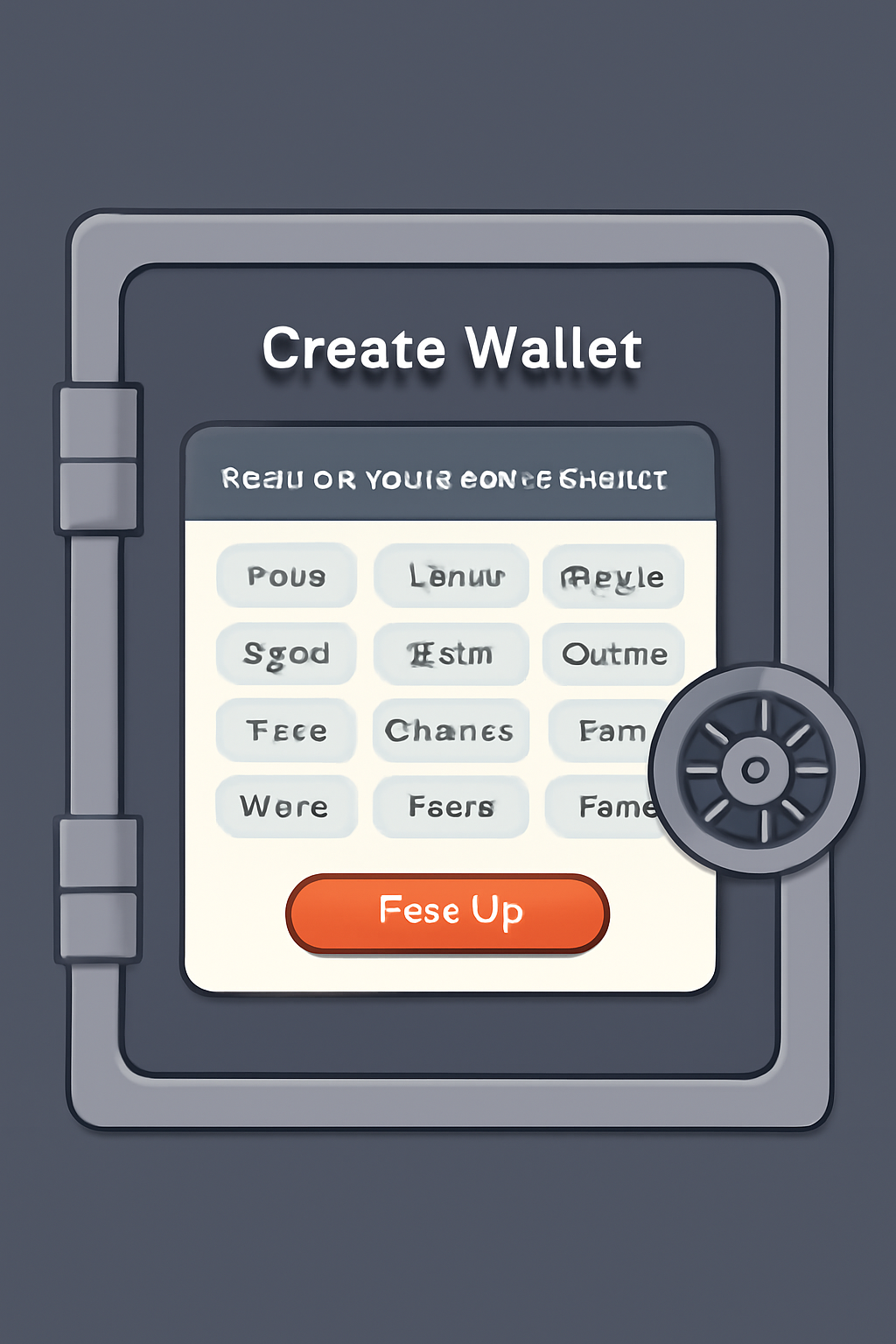
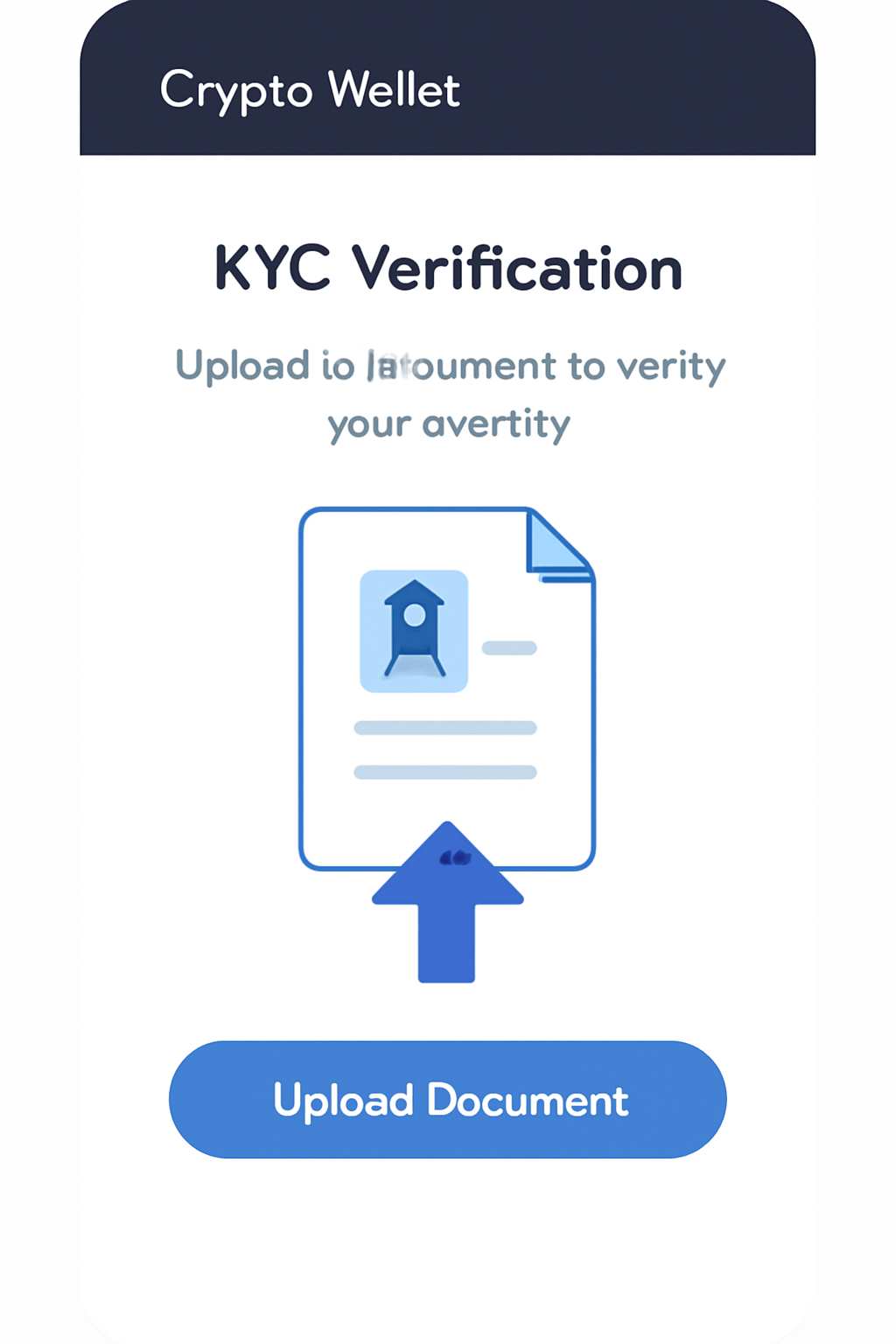

Once onboarded, users experience true portability. Imagine approving a loan on one chain, then reusing the same credential for an IDO on another, all without reuploading documents. This frictionless flow not only boosts efficiency but also reduces exposure to phishing or data leaks common in fragmented systems.
Developer Advantages and Ecosystem Integration
For builders, idOS shines through its SDK, which supports instant integration across major chains and KYC providers. No more custom builds per protocol; one toolkit handles verification, storage, and zero-knowledge sharing. This accelerates time-to-market for dApps, especially amid 2025's push for on-chain KYC marketplaces and verifiable credentials.
Privacy advocates will appreciate the zk proofs that verify attributes like age or residency without revealing full identities. Coupled with MPC-secured keys, it forms a robust defense against evolving threats. In my analysis of digital asset regulations, such innovations are pivotal for scaling Web3 without inviting crackdowns.
Once a user verifies their identity, the data is encrypted and distributed across a decentralized storage network.
Projects leveraging idOS can tap into its growing consortium, from Arbitrum to Tezos, fostering interoperability. For deeper insights on multi-chain reuse, see how idOS enables reusable KYC across Web3 chains.
Navigating Risks and Opportunities in 2025
While idOS addresses core pain points, users must remain vigilant. Community sales demand proactive KYC, and airdrops reward engagement, but always verify official channels to avoid scams. From an investment lens, the $4.5 million raise signals strong fundamentals, yet success hinges on adoption metrics and tokenomics post-launch.
Looking ahead, idOS could redefine self-sovereign identity DeFi by embedding into launchpads and wallets, where KYC fatigue currently stifles growth. As zk identity wallets mature, expect idOS to lead in compliant, user-owned verification, empowering a privacy-first Web3. Platforms like this don't just solve problems; they architect the trust layer essential for mass onboarding.
By centralizing control in users' hands while decentralizing storage, idOS Network charts a course for sustainable identity infrastructure. In a landscape of hype-driven projects, its measured approach backed by blue-chip partners offers genuine long-term value for those prioritizing security and utility.




No comments yet. Be the first to share your thoughts!