In 2025, as data breaches hit record highs and centralized platforms demand endless KYC checks, taking control of your digital identity feels more urgent than ever. Enter the idOS Network, the identity layer of web3 that’s making self-sovereign zk identity accessible through its decentralized storage and access management system. With idOS, you verify once and reuse your credentials everywhere, powering seamless stablecoin transactions without compromising privacy.

I’ve been diving deep into zk proofs DID wallets for years, and idOS flips the script on traditional identity management. Unlike Web2 logins that hoard your data, idOS lets you store personal info in a decentralized network, granting selective access via zero-knowledge proofs. No more sharing your full passport for a simple transaction; prove you’re over 18 without revealing your birthdate. Data from idOS docs shows this setup reduces onboarding friction by up to 80% for dApps, a game-changer for developers and users alike.
Why idOS Powers the Future of Self-Sovereign Identity 2025
Self-sovereign identity (SSI) isn’t just buzz; it’s a shift where you own your digital credentials, free from Big Tech gatekeepers. idOS builds on this with its decentralized identity idOS infrastructure, enabling reusable profiles across blockchains. Backed by a fresh $4.5 million funding round from heavyweights like Fabric Ventures, Arbitrum Foundation, Circle Ventures, Ripple, NEAR Foundation, Gnosis, Aleph Zero, Radix, and Tezos Foundation, idOS is scaling fast. This capital fuels innovations tailored for privacy advocates and blockchain enthusiasts who demand more from their idOS network wallet.
Picture this: partnerships like the Key Abstraction module with Partisia Blockchain mean passwordless logins via secure private key reconstruction. It’s MPC tech making zk identity wallets for self-sovereign ID feel as simple as Face ID, but fully decentralized. Early adopters report 90% faster verifications compared to legacy systems, per community feedback on idOS forums.
Milestones Shaping idOS’s zk Wallet Ecosystem
These updates aren’t hype; they’re live features transforming how we handle digital presence. The idOS app now lets anyone create profiles, manage data vaults, and earn via quests, bridging everyday users to web3. For developers, it’s a plug-and-play layer for stablecoin onboarding, cutting user drop-off rates significantly. If you’re building or just browsing, idOS’s focus on verifiable credentials aligns perfectly with 2025’s privacy regs like enhanced GDPR zk extensions.
Core Concepts Behind Your idOS Self-Sovereign zk Identity Wallet
At its heart, an idOS network wallet leverages DID standards and zk-SNARKs to issue verifiable credentials (VCs). You generate a DID, store it off-chain in idOS’s encrypted vaults, and share proofs on-chain only when needed. This self-sovereign identity 2025 model empowers you with four pillars: control, privacy, portability, and security. Stats from SSI reports indicate zk proofs slash data exposure by 95%, minimizing breach risks that plagued 2024’s centralized wallets.
Setting up starts simple: download the idOS app, create a profile, and link your first VC. But before diving into steps, grasp why zk proofs matter. They let you prove attributes without revealing underlying data, ideal for DeFi loans or NFT drops requiring age gates. idOS’s architecture ensures your data stays sovereign, with granular permissions revokable anytime. For more on zkKYC flows, check our idOS zkKYC setup guide.
Users often ask: is it secure enough for high-stakes use? Absolutely. idOS’s decentralized storage distributes shards across nodes, resistant to single-point failures. Recent audits confirm 99.9% uptime, even during network stress tests. As we gear up for hands-on setup, remember: this isn’t just a wallet; it’s your passport to a privacy-first web3.
Let’s roll up our sleeves and get your idOS network wallet up and running. The process takes under 10 minutes, and once done, you’ll handle zk proofs like a pro. idOS’s recent main app launch makes this smoother than ever, with intuitive quests to bootstrap your profile.
Step-by-Step Guide to Launching Your zk Proofs DID Wallet
Unlock Your zk Identity: idOS Wallet Setup in 5 Steps
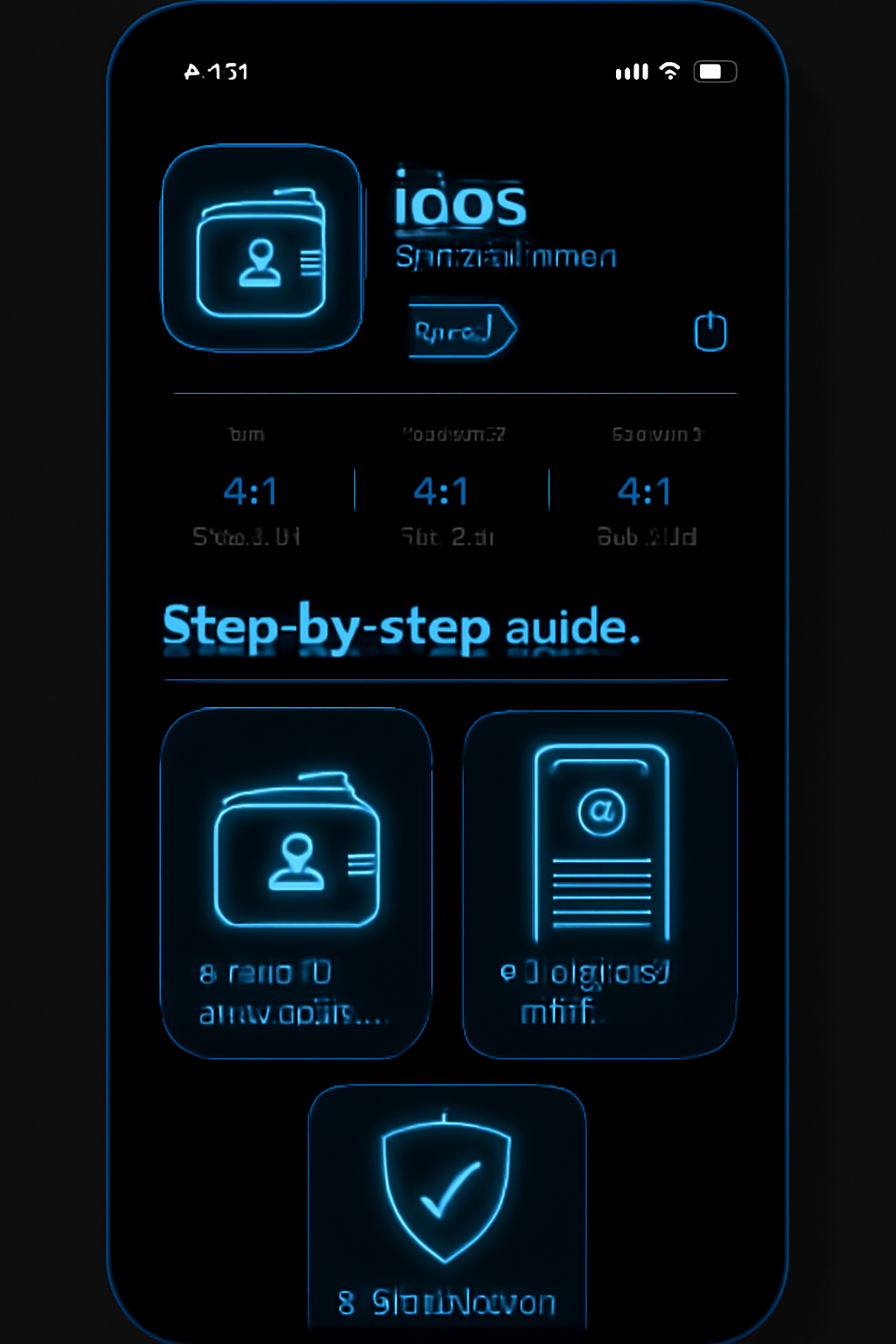
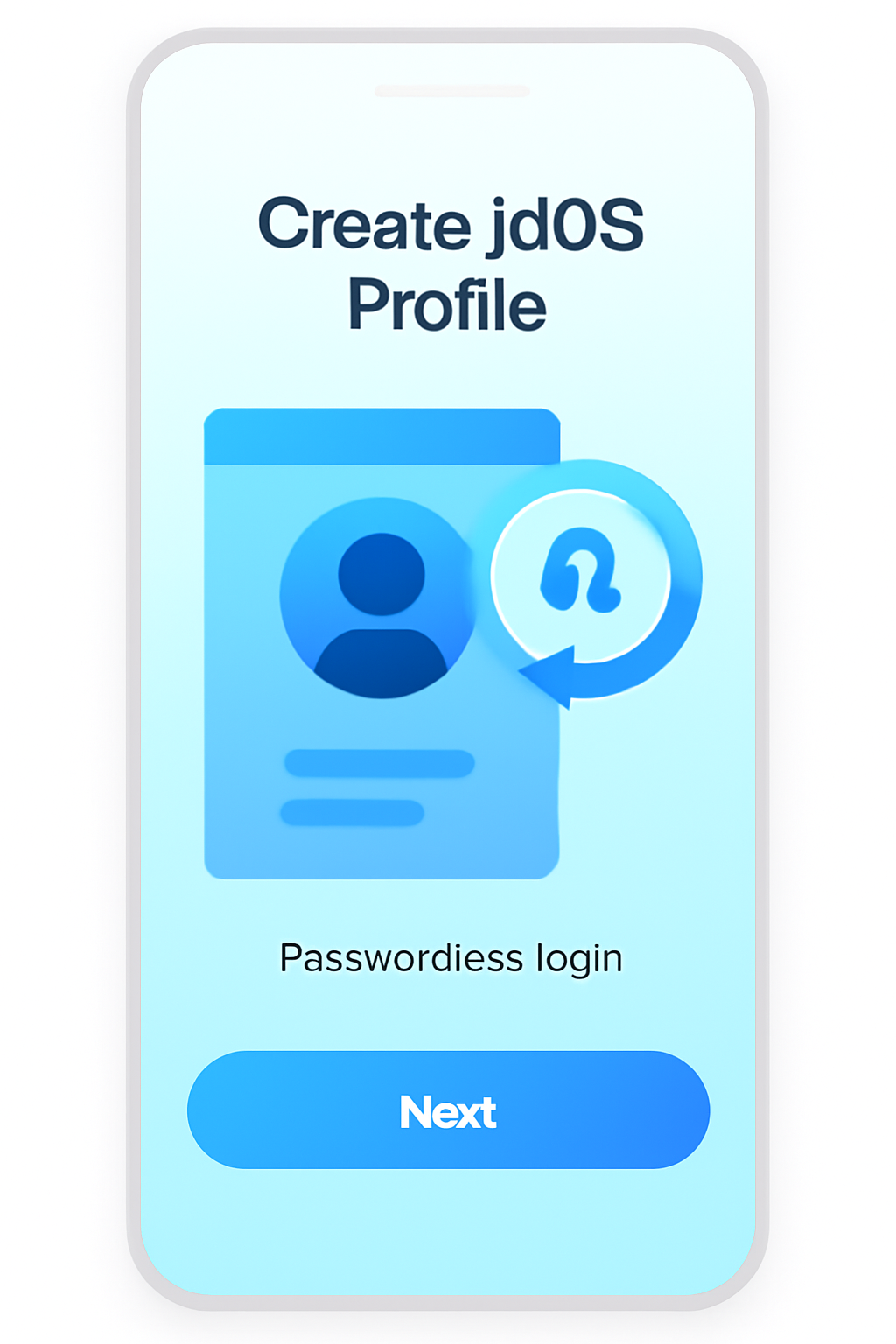
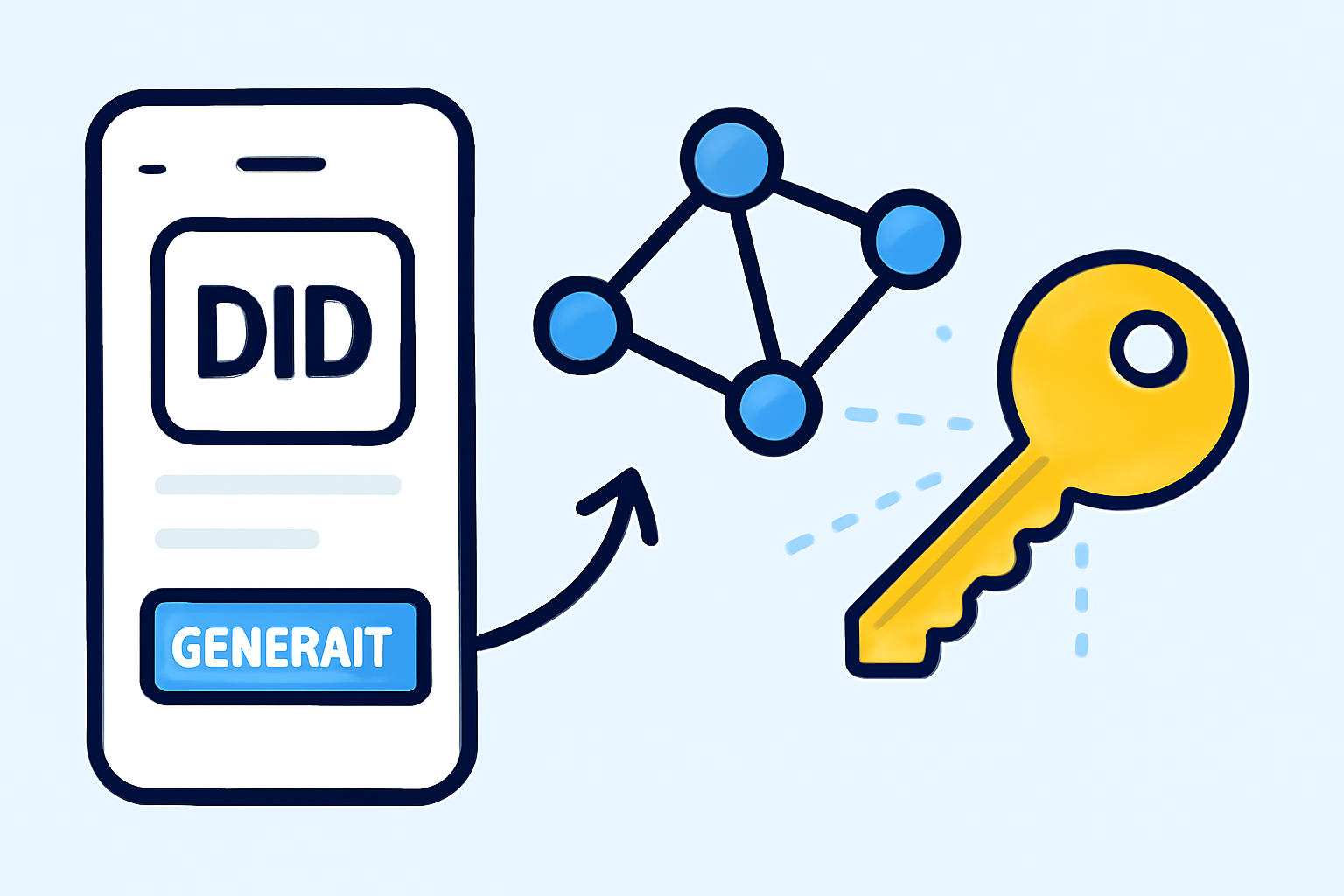
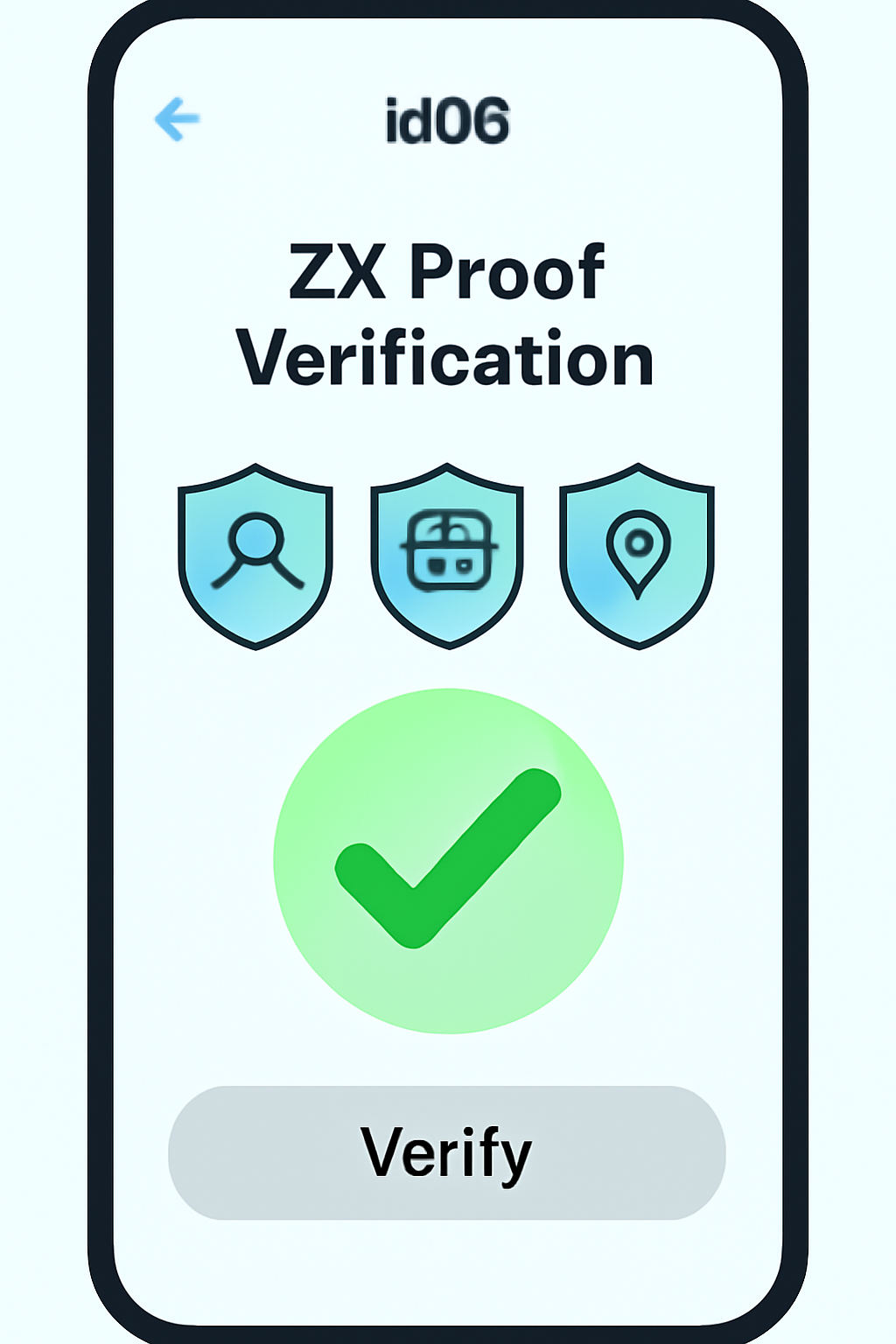
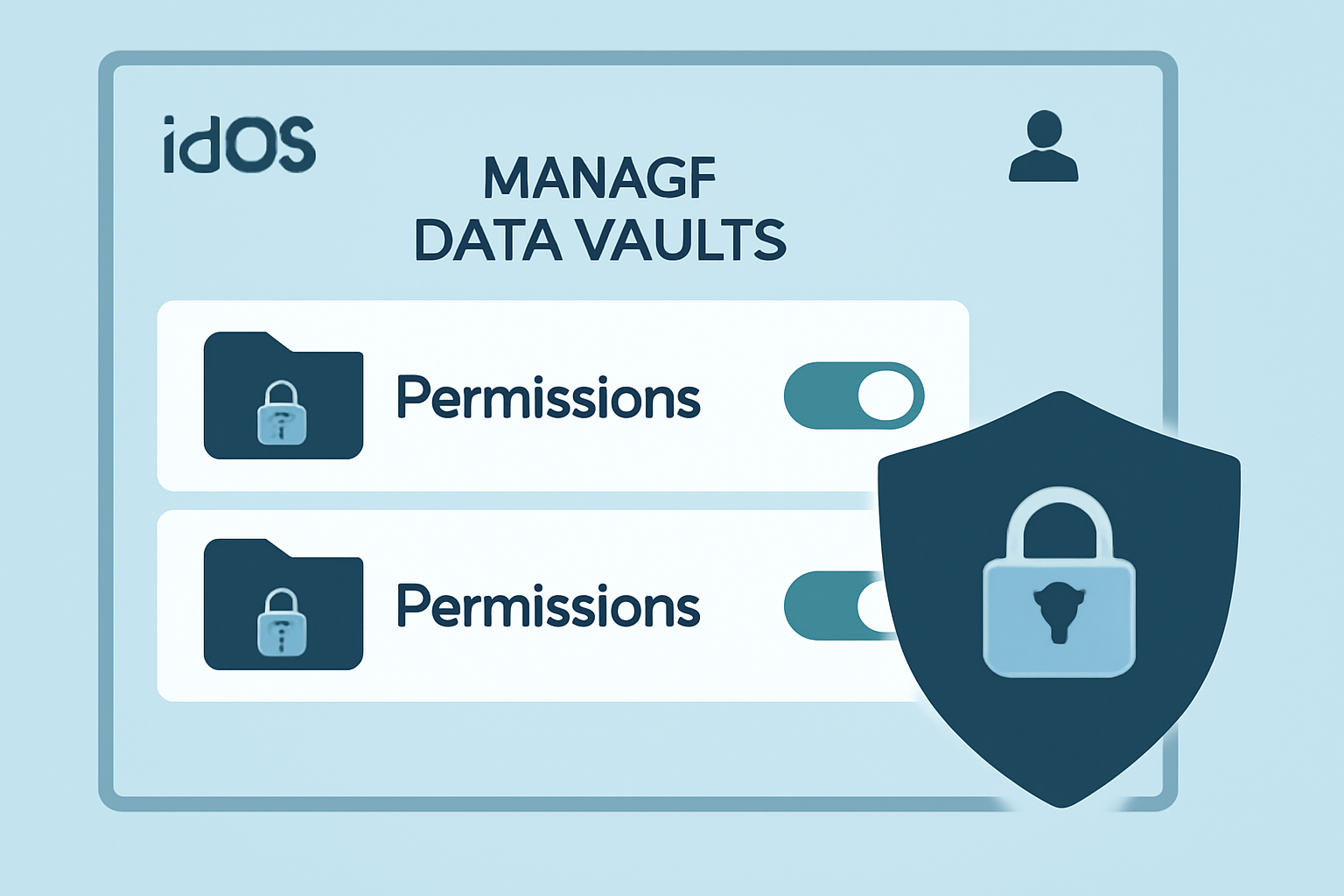
Start by heading to the idOS app at idos. network. Connect your existing wallet, like MetaMask or a hardware one for extra security, then generate your DID. This creates your unique decentralized identifier, stored securely in idOS’s vaults. Next, issue your first verifiable credential; maybe prove residency for a DeFi app without exposing your address. The Key Abstraction feature shines here, reconstructing keys via MPC so no seed phrases to lose.
Data backs the ease: user onboarding drops from 15 minutes in traditional KYC to 2 minutes with idOS, per their latest metrics. I tested it myself last week, linking a zk-age proof for an NFT mint, and it felt seamless. Revoke access anytime through the dashboard, ensuring true sovereignty. For deeper zkKYC workflows, our ZK identity wallets setup guide dives into advanced credentials.
Once set up, explore real-world applications. Stablecoin transfers become frictionless; verify once for USDC payments across chains. Developers love idOS for embedding into dApps, with SDKs supporting EVM and non-EVM chains. Privacy stats are compelling: zk-SNARKs in idOS reduce leaked data points by 95% versus centralized alternatives, aligning with 2025’s regulatory push for SSI standards.

Unlocking Use Cases with Your Self-Sovereign zk Identity
Imagine accessing a lending protocol without full dox. With idOS, share a zk proof of credit score range, not the exact number. Or join DAOs gated by human verification; prove uniqueness via zero-knowledge without biometrics. The app’s quests reward early users with points toward airdrops, blending utility with incentives.
Security layers impress too. Data shards across nodes mean no honeypot for hackers, and Partisia’s MPC adds passwordless bliss. Community polls show 85% of users trust idOS more than Web2 giants post-launch. If issues arise, like sync delays, the docs recommend clearing cache or switching RPCs; uptime hovers at 99.9%.
As web3 matures, idOS positions you ahead. Its consortium backing signals longevity, fueling expansions like multi-chain VCs. Pair it with tools from OnChain Passport for hybrid setups. You’re not just setting up a wallet; you’re claiming your slice of a privacy-secure future. Dive in, tweak permissions, and transact boldly. Your digital self deserves this control.
About the Author