
In a world where your digital footprint is tracked at every turn, privacy advocates are reclaiming control through zk identity wallets. These tools promise self-sovereign identity without the strings attached to traditional custodial setups. But with crypto's privacy landscape shifting under AML pressures, as noted in recent TradingView analyses, understanding DID wallets comparison isn't just smart, it's essential for 2025 and beyond.
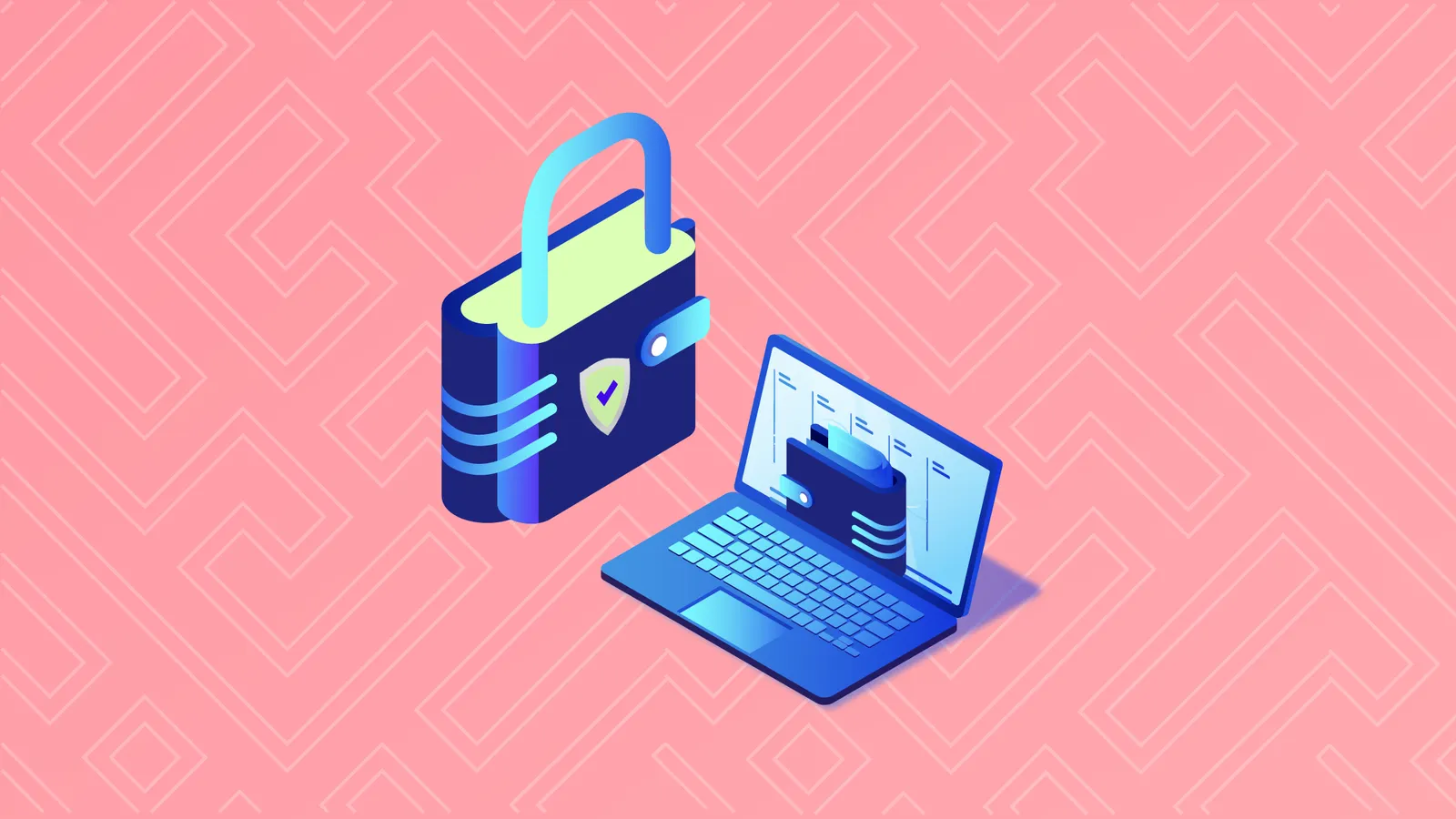
Picture this: you're proving your age for an online service without handing over your birth certificate. That's the magic of zero-knowledge proofs in action. Unlike custodial wallets, where third parties hold your keys and personal data, self-sovereign identity wallets let you verify claims selectively. Data from ResearchGate's comparative analysis of SSI solutions like Hyperledger Indy and Sovrin backs this up, showing zk tech leading in privacy preservation.
Custodial Wallets: Convenience at a Privacy Cost
Custodial wallets feel like a safety net at first. Providers manage your private keys, handle recovery, and streamline transactions. Top Web3 wallet lists from Token Metrics highlight how these are popular on centralized exchanges. But here's the rub: you trade autonomy for trust. KYC mandates mean uploading IDs, emails, and more, centralizing your data in breach-prone vaults.
Recent reports paint a grim picture. Crypto's anonymity roots are fading, with AML laws squeezing user privacy. Custodial services can freeze accounts or impose limits, leaving you sidelined. For privacy advocates, this is a non-starter. You're not just holding assets; you're exposing your entire identity profile.
Successful wallets of the future will provide security guarantees of self-custody without user experience burden. and mdash; Hackernoon on The Future of Digital Trust
Non-Custodial Wallets: You Hold the Keys, You Call the Shots
Flip to non-custodial wallets, and empowerment kicks in. Full control over private keys means no middlemen, no surprise freezes. Coincub's top anonymous crypto wallets for 2025 emphasize self-custody with Tor integration for ultimate privacy. No KYC hurdles here; your identity stays yours.
Yet, responsibility ramps up. Lose your seed phrase? Assets vanish forever. This is where many falter, but for those committed, it's liberating. Check out this visual guide for a quick dive: Custodial vs Non-Custodial Crypto Wallets.
zk Identity Wallets: The Privacy Supercharge
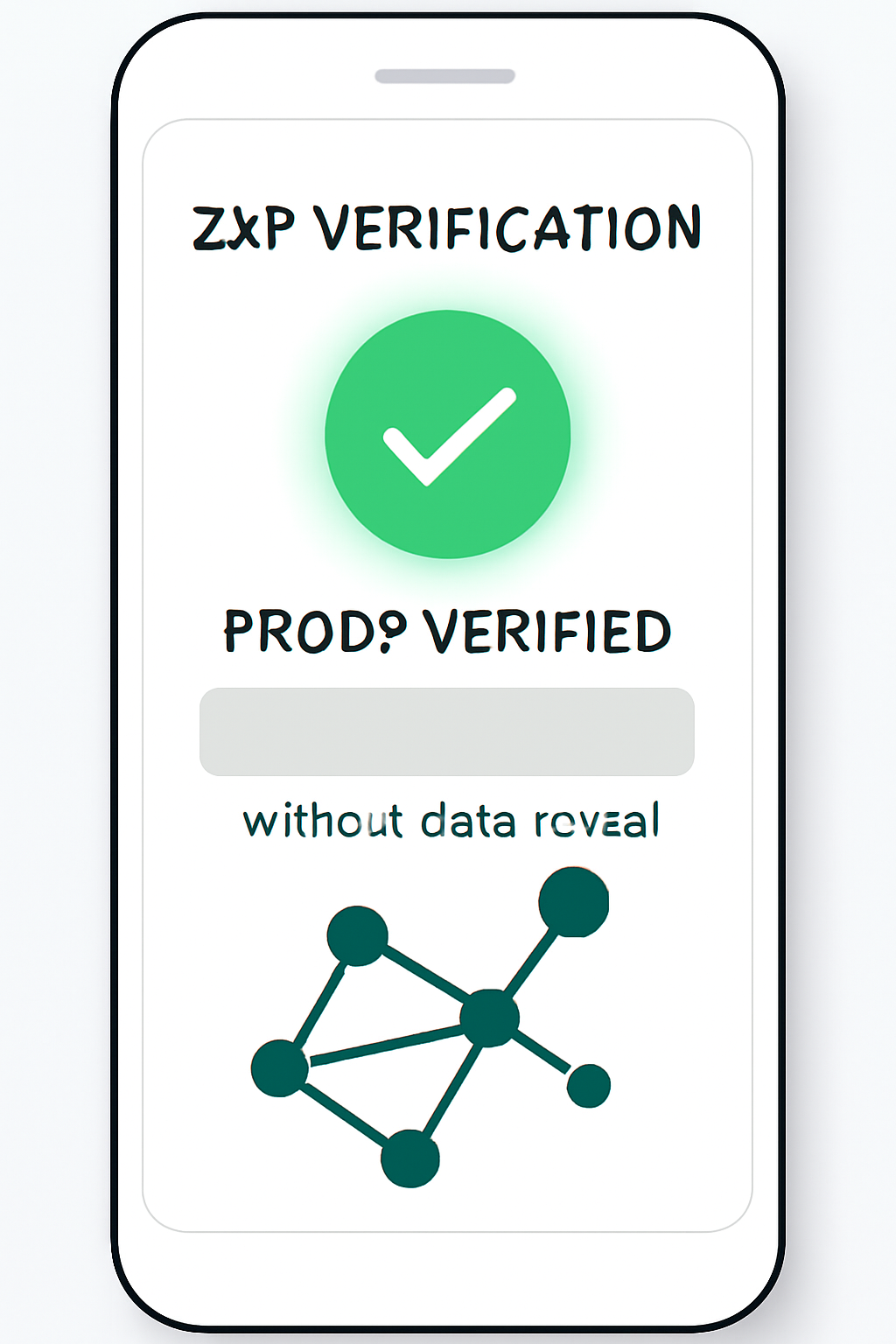
Enter zk identity wallets, the non-custodial elite. These integrate zero-knowledge proofs to prove facts without revealing details. Over 18? Done, without your birthdate. Zk. me's blog details how this builds trustless digital futures, aligning with IEEE's reviews on blockchain eKYC using SSI and DID.
Key perks include self-sovereign control, where you own your decentralized identity management 2025 stack. Interoperability shines too, working across platforms seamlessly. Antier Solutions and Ment Tech Labs rank top developers pushing these innovations, from Dock to custom builds.
Privacy advocates love this: no data leaks, no tracking. Ndlabs. dev even posits wallets replacing passwords via verifiable credentials. Imagine logging in with proofs, not logins.
Development surges reflect demand. Top lists spotlight firms innovating non-custodial identity wallets with ZKPs, per ScienceDirect's blockchain identity studies. But adoption hinges on UX; future winners balance security with simplicity, as Hackernoon predicts.
Let's dive into some standout players shaping this space. Coincub's roundup of the top 5 anonymous crypto wallets for 2025 spotlights options with Tor support and ironclad self-custody, many layering in ZK elements for identity proofs. These aren't just asset holders; they're gateways to privacy-preserving DID ecosystems.
Top zk Identity Wallets for 2025
- Polygon ID: Uses zk-SNARKs for selective disclosure of verifiable credentials without revealing personal data. Privacy tools include age and membership proofs. Interoperable with Polygon, Ethereum L2s, and DID standards. polygon.id
- ZKme: Enables self-sovereign identity with ZK proofs for KYC and attributes. Key privacy: prove compliance anonymously. Highly interoperable across web3 apps and chains. zk.me
- Privado ID: zk-SNARK powered SSI for privacy-preserving identity oracles. Tools: web2-to-web3 credential proofs without data exposure. Supports EVM interoperability. privado.id
- Dock Wallet: SSI wallet with ZK proofs for secure credential verification. Privacy-focused selective sharing. Interoperable via DID and VC standards across blockchains. dock.io
- Litentry: Aggregates identities cross-chain using ZK proofs for privacy. Tools: anonymous identity scoring and verification. Interoperable with Polkadot, Ethereum, and more. litentry.com
Take Privado ID or integrations with Hyperledger Indy from ResearchGate's SSI analysis. They enable verifiable credentials that travel with you, proving attributes across dApps without constant re-verification. Developers at firms like Dock, flagged by Antier Solutions' top 7 list, are building these with enterprise-grade scalability. In supply chains, ScienceDirect notes blockchain-driven SSDI cutting fraud while keeping farmer identities private. It's practical power.
Trade-offs and Real Talk: Is Self-Sovereign Right for You?
Don't get starry-eyed. Zero-knowledge identity proofs sound futuristic, but they're here now, powering logins without passwords as ndlabs. dev forecasts. Yet, TradingView warns of AML headwinds eroding crypto privacy. Custodial setups bow to regulators easily; zk wallets resist but demand vigilance. User error remains the biggest threat, stats show 20% of self-custody losses from seed mishaps.
For everyday folks, hybrid approaches emerge. Some zk wallets offer social recovery, sharing key shards with trusted contacts minus single points of failure. IEEE's eKYC review praises SSI for boosting verification speed 40% over traditional methods, all while slashing data exposure. Hackernoon nails it: frictionless self-custody wins markets.
Detailed Comparison: zk vs Custodial vs Standard Non-Custodial Wallets (2025)
| Aspect | Custodial Wallets | Standard Non-Custodial | zk Identity Wallets |
|---|---|---|---|
| Privacy Score | 3/10 😞 (KYC required) | 6/10 🙂 (No KYC) | 9/10 🔥 (ZKP selective disclosure) |
| Recovery Options | Provider-assisted 🔄 (but trust required) | Seed phrase only ⚠️ (user responsibility) | Social guardians + MPC 🛡️ (decentralized recovery) |
| ZKP Support | None ❌ | Limited 🔒 (some protocols) | Full ✅ (ZK-SNARKs/STARKs native) |
| Cost | Low 💰 (~$0-10/yr subscription) | Gas fees only ⛽ (~$1-5/tx) | Higher compute 💎 (~$5-20/tx but privacy premium) |
| 2025 Adoption Stats | 70% 📈 (dominant per Coincub) | 20% 🚀 (growing SSI) | 10% 🌟 (300% YoY, top anonymous wallets) |
Privacy advocates, weigh your risk tolerance. If convenience trumps control, stick custodial. But for true sovereignty, zk reigns. Token Metrics' Web3 wallet guide underscores direct key control as non-negotiable for security pros.
Getting Started: Your Path to zk Empowerment
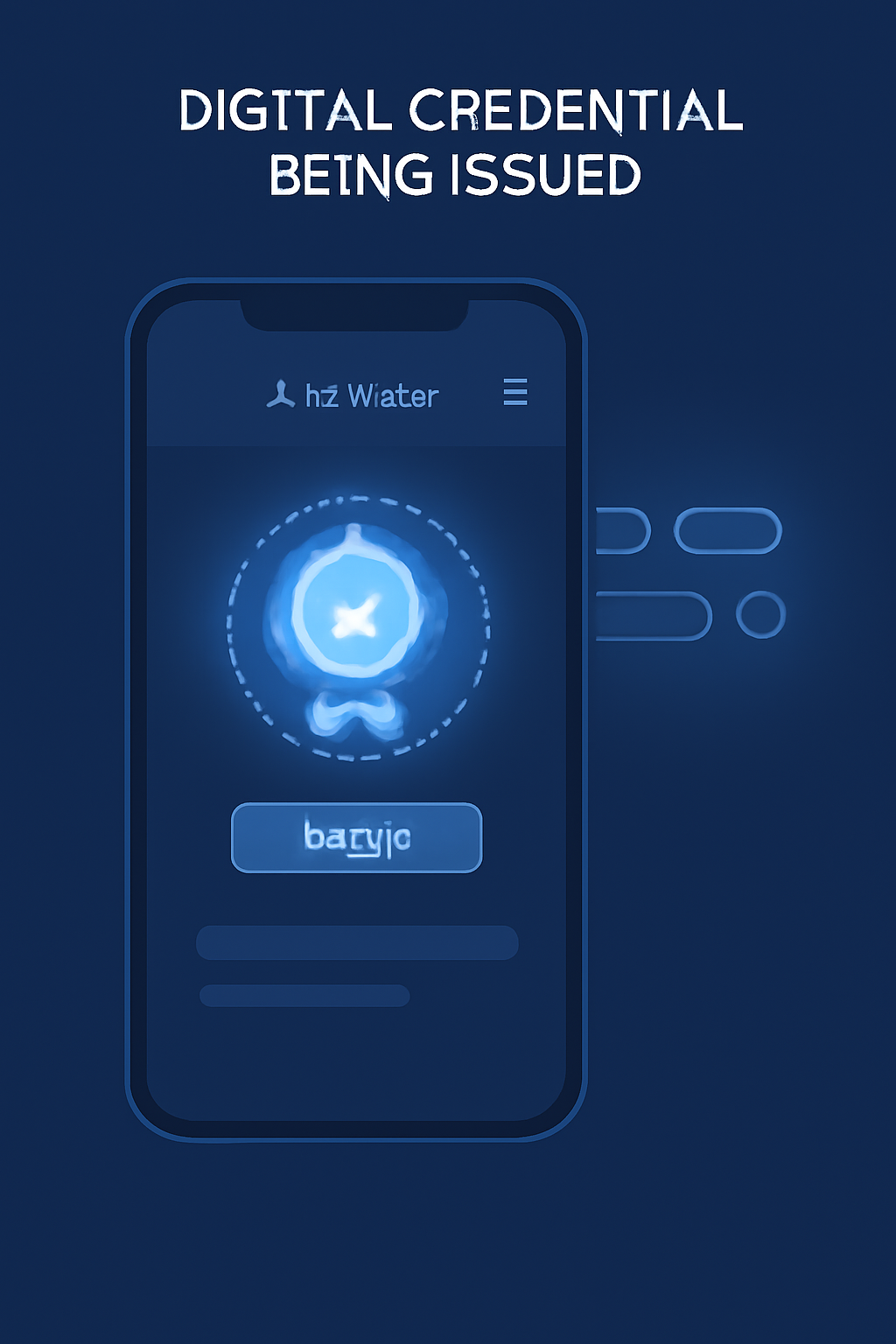
Transitioning feels daunting, but break it down. Start with a reputable zk wallet from 2025's top developers, like those in Ment Tech Labs' top 10. Generate keys offline, back up securely on hardware like Ledger with ZK apps. Test small: issue a credential proving wallet ownership via ZKP.
Set Up Your zk Identity Wallet: 5 Privacy-First Steps
Real wins pile up fast. Access DeFi without KYC leaks, vote in DAOs anonymously, or cross-border freelance with age proofs only. IEEE data shows SSI slashing verification time from days to seconds, fueling adoption.
Looking ahead, 2025 marks the tipping point. With firms racing per Antier and Coincub insights, zk identity wallets evolve into daily drivers. They sidestep AML privacy clashes by design, letting you prove compliance without surrender. Self-sovereign isn't hype; it's your digital shield. Grab the reins, back your keys, and step into a tracked world unseen.



No comments yet. Be the first to share your thoughts!