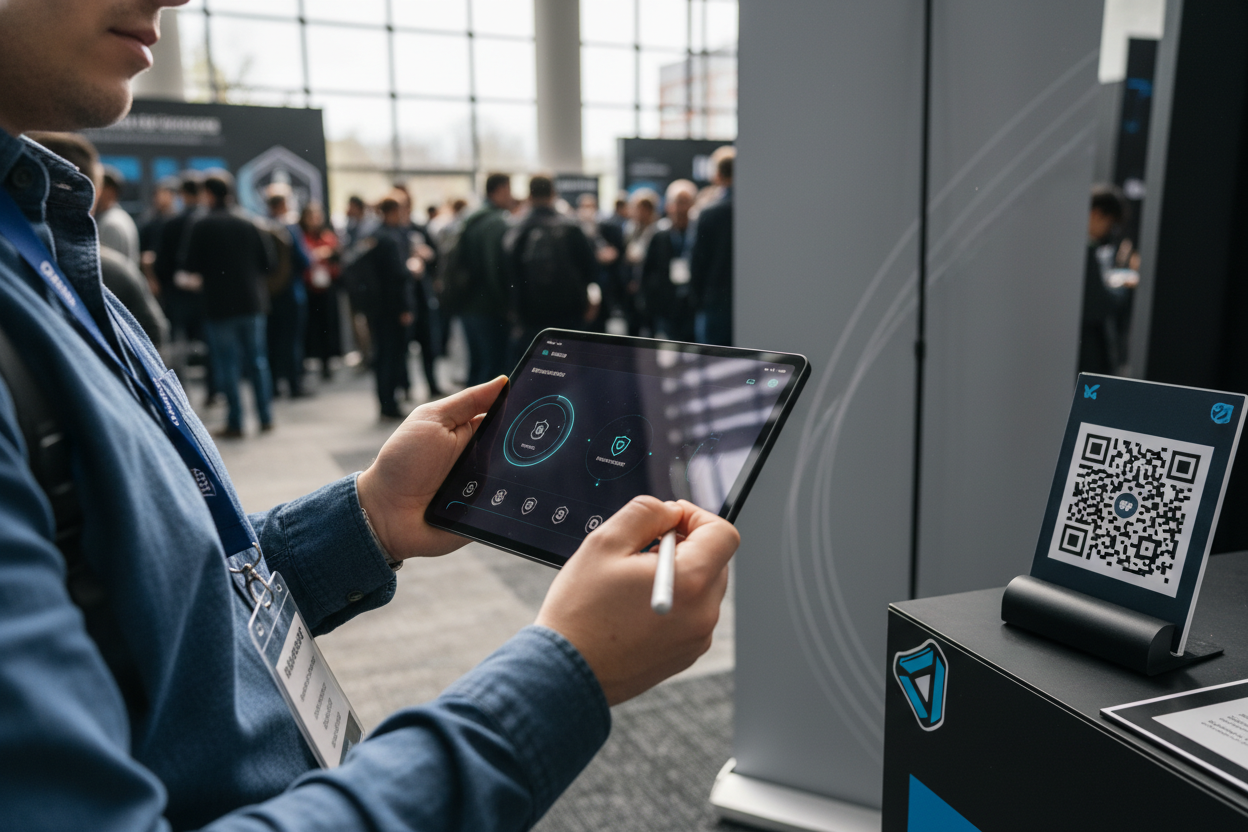
Picture onboarding to Web3 in 2025: no more endless forms, no more KYC bottlenecks, and no more jumping between incompatible wallets. That’s the promise of chain-agnostic self-sovereign identity (SSI) wallets. These next-gen tools are quietly transforming how users and organizations access decentralized apps, digital assets, and services across blockchains, without sacrificing privacy or control.

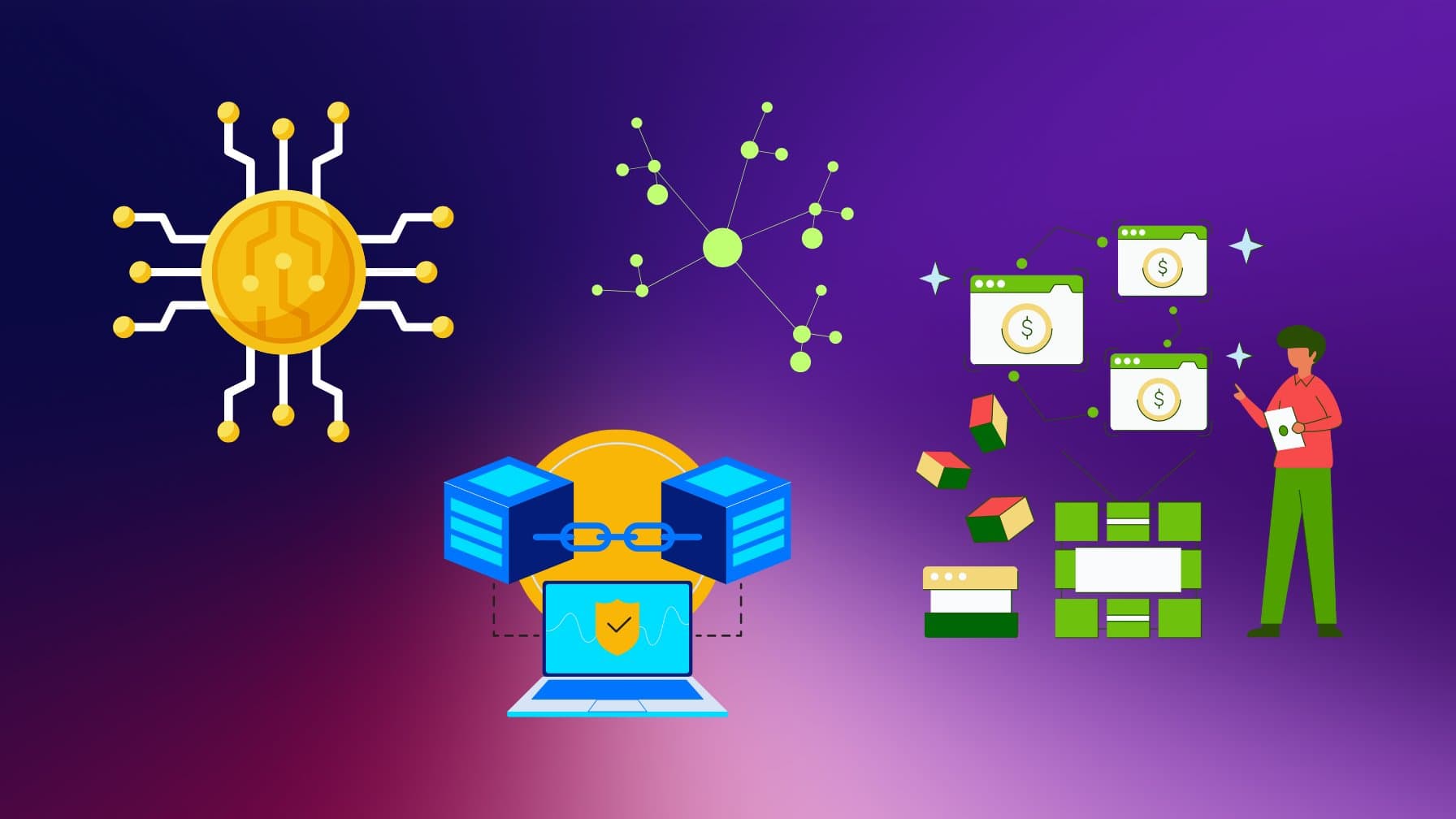
Why Chain-Agnostic SSI Wallets Are the New Standard
Traditional crypto wallets have always come with tradeoffs. Most lock you into a single blockchain ecosystem, making it a headache to manage assets or identities across chains like Ethereum, NEAR, or Gnosis. But as recent advances show, chain-agnostic SSI wallets are breaking down these silos. By late 2025, they’ve become the default onboarding solution for both new and experienced Web3 users.
The secret sauce? Interoperability and user-centric design. Instead of juggling multiple wallets and seed phrases, users now manage a single portable identity that works everywhere, no matter which network a dApp is built on.
User Control Meets Privacy: The Core Benefits
At the heart of SSI is the principle that you own your data. Platforms like Altme and idOS have made this real by letting users verify their identity off-chain and share only the minimum required information with dApps. No centralized authority holds your credentials; everything is managed locally in your non-custodial wallet.
This has two huge effects:
- Privacy-preserving onboarding: Zero-knowledge proofs (like zkLogin) let you authenticate using familiar credentials, think Google or Facebook, without revealing sensitive details to anyone on-chain.
- Selectively share data: Need to prove you’re over 18 or hold a certain NFT? You can do this without exposing your full identity or wallet balances.
This approach directly addresses growing concerns over data breaches and surveillance capitalism in Web2. As Dock Labs puts it in their SSI guide for 2025: “Individuals finally have full ownership and control of their digital identities without relying on third parties. ”
Simplified Authentication and Seamless Cross-Chain Experiences
The explosion of multi-chain dApps means users expect frictionless experiences. Chain-agnostic SSI wallets deliver by automatically detecting which blockchain you’re interacting with, and handling all the technical details behind the scenes. No more manual switching between networks or worrying about compatibility.
A major breakthrough has been integrating authentication methods like zkLogin. By leveraging zero-knowledge proofs, these solutions allow users to log in with existing Web2 accounts while keeping their private keys secure and invisible, even from wallet providers themselves. This eliminates one of the last hurdles for mainstream adoption: complex seed phrase management.
The result? Onboarding flows that rival traditional fintech apps for simplicity, but with vastly superior privacy guarantees. For developers, this opens up powerful new use cases around reusable credentials, cross-chain asset management, and compliance checks that don’t compromise user anonymity (explore how this bridges Web2 simplicity with true decentralization here).
Behind the scenes, compliance is getting a privacy upgrade too. Innovative solutions like private smart wallets now use probabilistic techniques, think bloom filters for UTXO states, to allow regulatory checks without ever exposing your transaction details or balances. This means institutions can meet their obligations without undermining the core promise of user sovereignty and privacy.
Interoperability is more than a buzzword in 2025. Platforms such as idOS and ONT ID have set the bar for cross-chain DID wallets, supporting seamless identity management across Ethereum, NEAR, Gnosis, Aleph Zero, and more. By abstracting away network-specific headaches, these chain-agnostic solutions are finally making Web3 onboarding feel as smooth as signing up for your favorite app, only this time, you’re in the driver’s seat.
Top Features of Chain-Agnostic SSI Wallets in 2025
-

Interoperability Across Multiple Blockchains: Modern SSI wallets like Altme and idOS are designed to operate seamlessly across networks such as Ethereum, NEAR, Gnosis, and more. This chain-agnostic approach empowers users to manage identities and credentials without being locked into a single blockchain ecosystem.
-
Selective Disclosure of Personal Data: Chain-agnostic SSI wallets enable users to share only the information required for a specific interaction. Solutions like ONT ID use zero-knowledge proofs, letting users prove eligibility or identity without exposing unnecessary personal details.
-
Privacy-Preserving Compliance: Advanced wallets, including Privado ID, incorporate compliance features that verify user credentials or transactions without revealing sensitive data. Techniques like bloom filters and zero-knowledge proofs are used to meet regulatory requirements while maintaining user privacy.
-

Reusable and Portable Credentials: SSI wallets such as Dock Wallet allow users to store, manage, and reuse verifiable credentials across dApps and services. This reduces onboarding friction and supports a consistent digital identity experience throughout the Web3 ecosystem.
Real-World Impact: From DeFi to DAOs
The impact of chain-agnostic SSI wallets goes far beyond onboarding. In DeFi, users can now prove eligibility for token sales or lending protocols without submitting to invasive KYC processes. DAOs leverage reusable credentials to streamline membership verification and voting rights across platforms, no more endless Discord bots or manual wallet checks.
Even NFT marketplaces are benefiting: artists can verify provenance and collectors can prove ownership with minimal data disclosure. Businesses integrating these wallets see higher conversion rates and lower abandonment during onboarding flows, thanks to reduced friction and enhanced trust.
What’s Next? The Road Ahead for Self-Sovereign Identity 2025
As we move deeper into 2025, the evolution of chain-agnostic identity wallets continues to accelerate. Expect tighter integration with traditional financial services as banks begin accepting decentralized credentials for account opening and KYC-lite compliance. Multidevice support is becoming standard, meaning your identity moves seamlessly between phone, desktop, and even IoT devices in your smart home.
The next frontier? Decentralized reputation systems that let you build trust across platforms without sacrificing privacy. Imagine earning verifiable badges for contributions on one DAO that carry weight when joining another community, all without ever revealing your real-world identity unless you choose to.
If you’re building in Web3 or simply want future-proof control over your digital presence, exploring these new wallet options isn’t optional, it’s essential. For a deeper dive into how portable self-sovereign identity is transforming onboarding experiences right now, check out our detailed guide here.
The bottom line: Chain-agnostic SSI wallets aren’t just a technical upgrade, they’re a paradigm shift toward reusable credentials and privacy-preserving digital identity that will define Web3’s next chapter.
About the Author