
In 2025, the landscape of digital onboarding in Web3 is undergoing a fundamental transformation. The emergence of portable, self-sovereign identity (SSI) wallets is dissolving the barriers that once made decentralized app adoption complex and exclusionary. These wallets empower users to control their digital identities, streamline KYC processes, and enable seamless cross-platform interaction, all without sacrificing privacy or security.
Self-Sovereign Identity: Shifting Power to the User
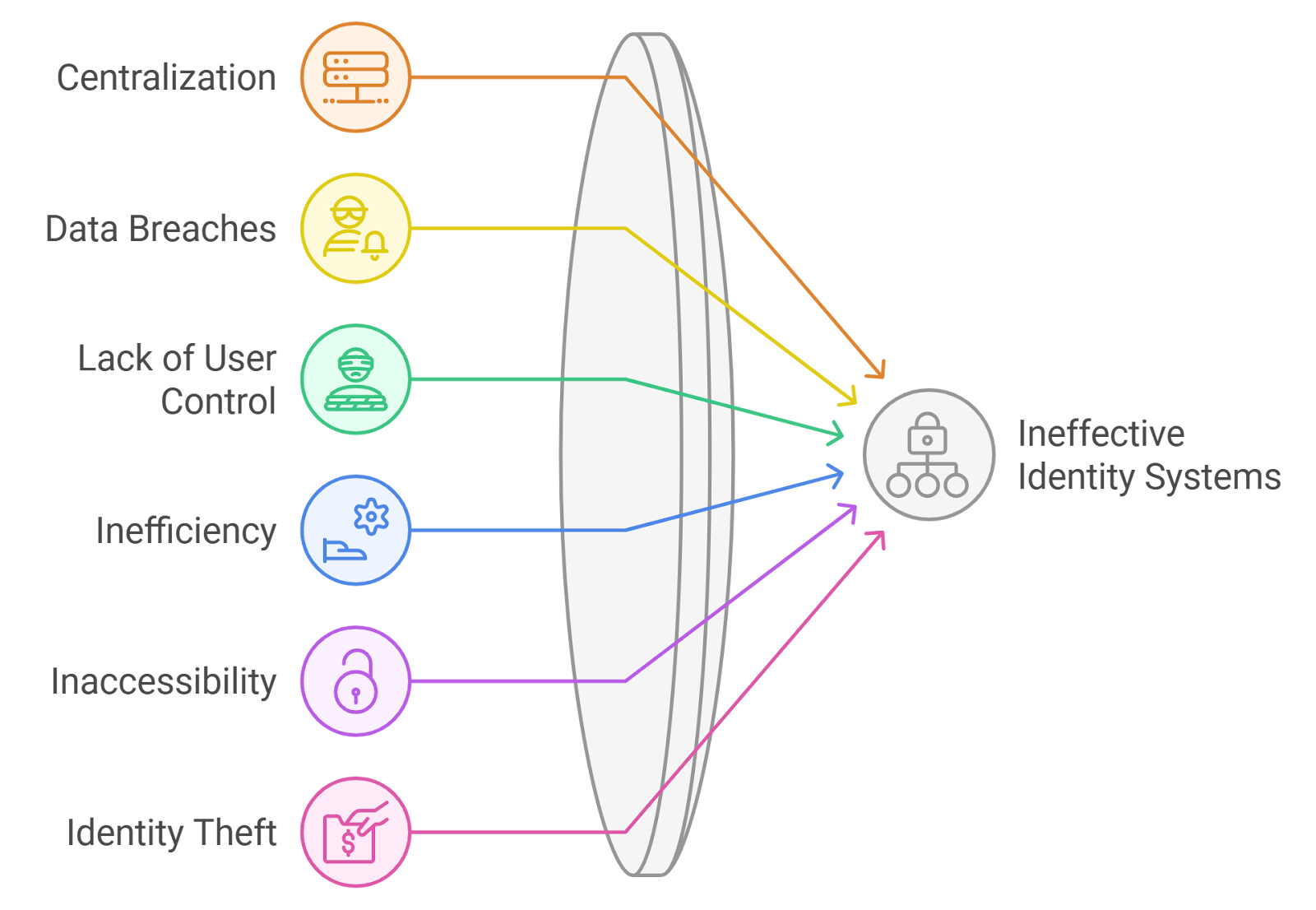
The traditional approach to digital identity has been dominated by centralized providers, think social logins or custodial exchanges, where users surrender sensitive data in exchange for access. SSI wallets invert this paradigm. Instead of relying on third parties, individuals now manage their own verifiable credentials, deciding exactly what information to share and with whom. This model, as outlined in our deep dive on user empowerment, is rapidly becoming the gold standard for privacy-preserving digital interaction.
Platforms like idOS exemplify this shift. Users can complete a Know Your Customer (KYC) process once, store their encrypted credentials within an SSI wallet, and then reuse that verified status across dozens of dApps and blockchains. This eliminates repetitive onboarding friction while minimizing exposure of personal data, a critical advancement for both compliance and user trust.
Seamless Onboarding: Removing Friction from Web3 Access
One of the most significant hurdles for mainstream Web3 adoption has always been onboarding complexity: seed phrases, confusing UI/UX, redundant KYC checks. Portable identity wallets are solving this by abstracting away technical pain points and introducing intuitive flows that mirror Web2 simplicity, without compromising decentralization.
The Human Wallet’s Wallet as a Protocol (Waap) framework is a notable example. By integrating decentralized identity verification directly into the wallet layer, Waap enables users to sign up once and immediately access financial services or digital rights across compatible platforms. No more juggling multiple wallets or repeating invasive verification steps for every new dApp.
This evolution is not just about convenience, it’s about inclusion. By making onboarding as easy as possible while maintaining rigorous security standards, SSI wallets are opening Web3 participation to broader demographics who were previously deterred by technical barriers.
Interoperability: The Backbone of Cross-Chain Identity
A core advantage of portable SSI solutions is their interoperability across diverse blockchain ecosystems. Adhering to open standards like W3C Verifiable Credentials allows these wallets to function seamlessly on Ethereum, Solana, Cardano, Cosmos, and beyond. For example, Cardano’s Identity Wallet supports multiple credential formats so users can manage assets and permissions across different chains without fragmentation or vendor lock-in.
This cross-chain compatibility is vital for the next generation of dApps that aspire to onboard millions of users globally. With one reusable credential set managed via a single wallet interface, users can move fluidly between DeFi protocols, NFT marketplaces, DAOs, and even off-chain services, all while retaining full control over their personal information.
Interoperability also extends to compliance and regulatory frameworks. As stablecoins and tokenized assets proliferate, regulators demand robust identity verification. Portable SSI wallets bridge this gap without compromising sovereignty. For instance, solutions like idOS enable users to grant selective access to their KYC credentials, satisfying compliance for multiple services while preserving privacy and minimizing data exposure. This model is rapidly gaining traction as organizations seek efficient, user-friendly onboarding that meets evolving legal requirements.
Security Innovations: Redefining Trust and Recovery
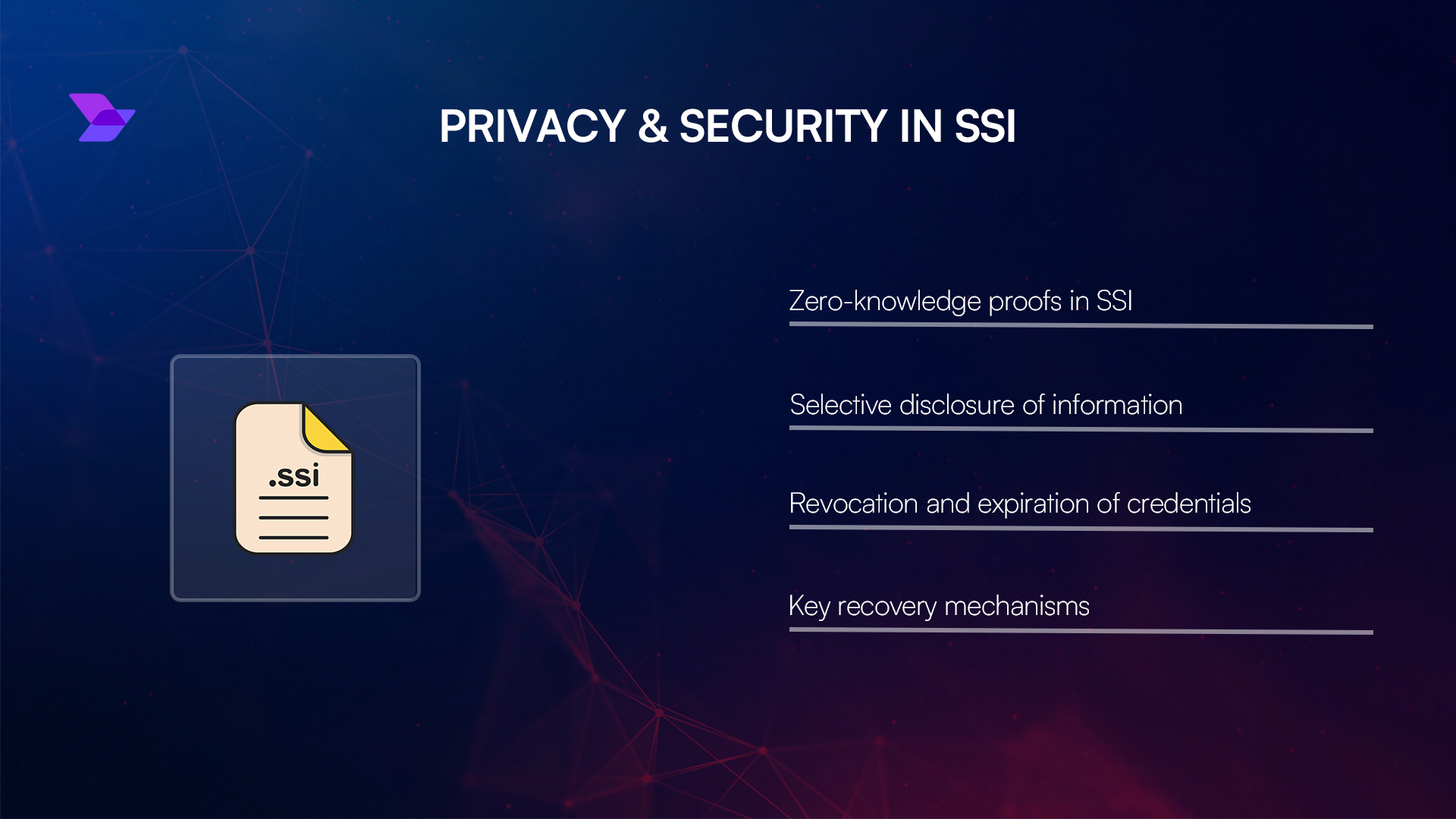
Security remains a top concern for both users and developers in the decentralized ecosystem. The latest generation of self-sovereign identity wallets leverages advanced cryptography, such as Multi-Party Computation (MPC) and zero-knowledge proofs, to safeguard private keys and sensitive data. By splitting key management across multiple parties or devices, MPC ensures that no single point of compromise exists, an essential feature for institutional adoption and high-value transactions.
Additionally, social recovery mechanisms are becoming standard in 2025’s leading portable identity wallets. Instead of relying solely on seed phrases (which are easily lost), users can designate trusted contacts who help restore access if credentials are lost or compromised. This approach not only improves resilience but also enhances mainstream usability, a crucial step toward mass adoption.
Market Growth: SSI Wallets Powering Web3 Expansion
The economic impact of portable identity technology is already measurable. The self-sovereign identity market is projected to soar from USD 3.25 billion in 2025 to USD 65.55 billion by 2030, reflecting skyrocketing demand from both enterprises and end-users seeking secure digital interactions. This growth is fueled by rising regulatory scrutiny, the explosion of DeFi activity, and the proliferation of verifiable credential toolkits that make integration easier for developers across ecosystems.
For organizations building in Web3, adopting decentralized KYC solutions translates directly into faster user onboarding, reduced compliance costs, and enhanced customer trust. For individuals, it means true data ownership, control over what you share, with whom, and when.
Top Advantages of Portable SSI Wallets in 2025
- Full User Control & Privacy: SSI wallets like idOS Network empower users to manage and selectively share their identity data, eliminating reliance on centralized authorities and minimizing risks of data breaches.
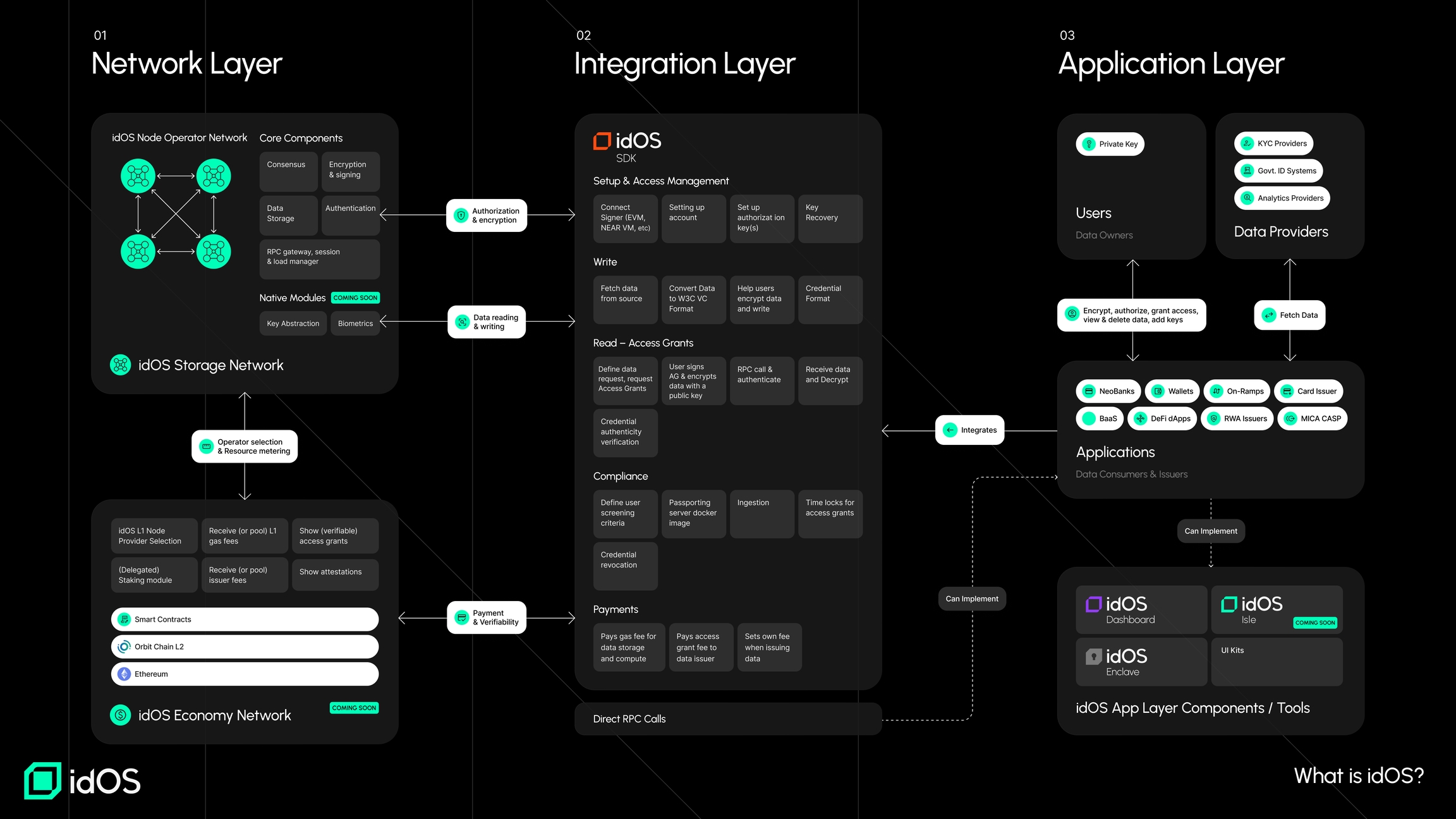
- Seamless, One-Time Onboarding: Platforms such as Human Wallet (Waap) enable users to complete KYC once and reuse credentials across multiple dApps, drastically reducing onboarding friction.
- Interoperability Across Blockchains: SSI wallets adhering to W3C Verifiable Credentials standards, like the Cardano Foundation Identity Wallet, allow users to carry digital identities seamlessly across diverse dApps and blockchain networks.

- Enhanced Security & Recovery: Advanced features such as Multi-Party Computation (MPC) and social recovery ensure private keys remain secure and users can regain access through trusted contacts, as seen in leading SSI wallets.
- Rapid Market Growth & Adoption: The SSI market is projected to surge from $3.25 billion in 2025 to $65.55 billion by 2030, reflecting increasing adoption by organizations seeking digital trust and regulatory compliance.
What’s Next: The Road Ahead for Decentralized Identity
The trajectory is clear: as more dApps, exchanges, DAOs, and even traditional institutions embrace interoperable SSI solutions, the frictionless onboarding experience will become table stakes rather than a differentiator. The next wave will see deeper integration with zk identity wallets for selective disclosure, proving eligibility or reputation without revealing underlying data, and broader adoption across non-financial sectors like healthcare or education.
If you’re building or investing in Web3 infrastructure today, integrating a portable identity wallet isn’t just a competitive edge, it’s foundational for long-term scalability and regulatory resilience. Explore further insights on how reusable KYC unlocks seamless onboarding, or dive into our analysis on bridging Web2 simplicity with Web3 security.
The era of fragmented logins and repeated verifications is ending. In its place emerges a user-centric paradigm where your digital passport works everywhere, securely, privately, portably.




No comments yet. Be the first to share your thoughts!