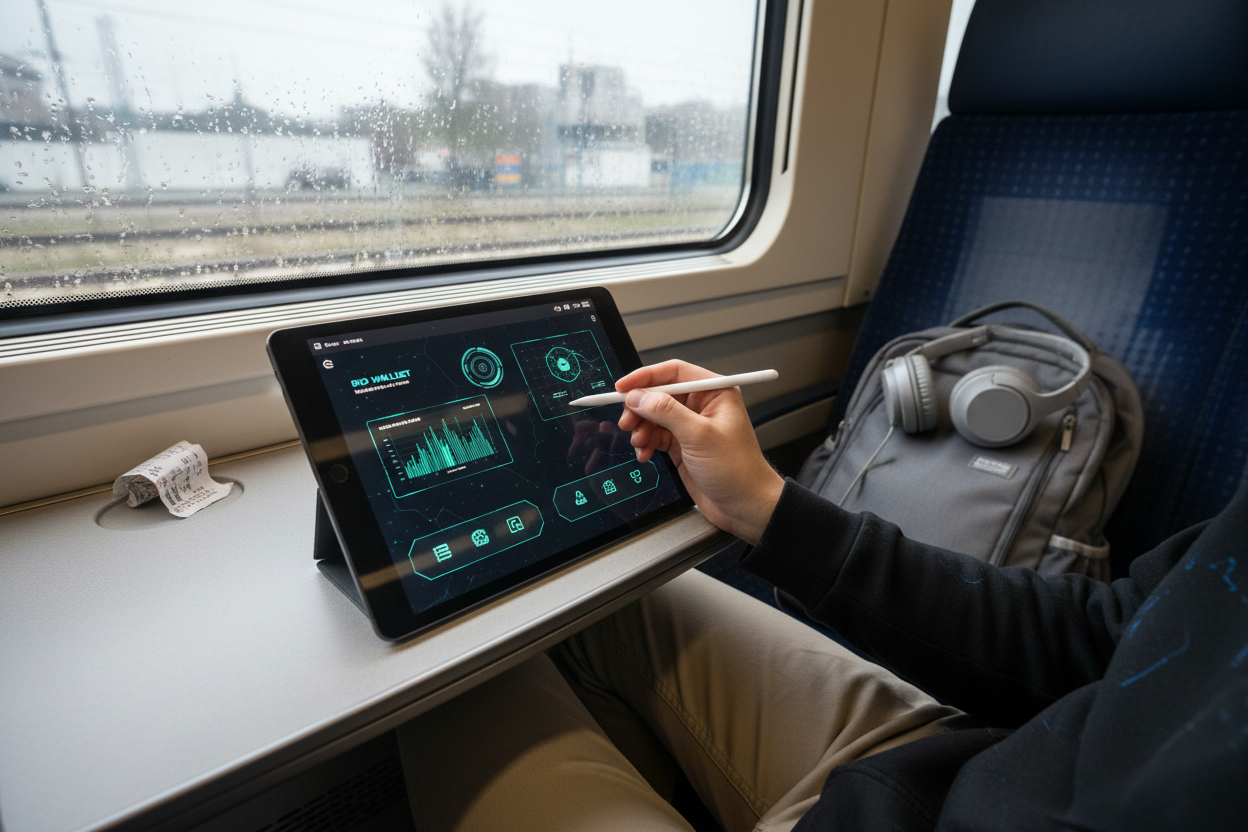
In the evolving landscape of self-sovereign identity, zk identity wallets offer users unprecedented control over their digital presence. Yet, true privacy demands more than secure storage; it requires tools for anonymous interactions. Enter the Semaphore protocol, a zero-knowledge powerhouse that enables zk identity anonymous signaling without exposing personal details. This guide walks developers through integrating Semaphore DID wallet functionality, empowering users to vote, signal, or attest anonymously while proving group membership.
Semaphore shines in scenarios like anonymous DAOs or whistleblower platforms, where users must contribute without fear of reprisal. By leveraging zk-SNARKs, it verifies claims like ‘I am a group member’ or ‘I haven’t signaled before’ on-chain, all while keeping identities hidden. For zk wallet builders, this integration transforms passive credential holders into active, private participants in Web3 ecosystems.
Grasping Semaphore’s Zero-Knowledge Foundations
At its core, Semaphore revolves around zk proofs Web3 signaling. A user’s identity comprises an EdDSA key pair, nullifier, and trapdoor; their commitment, a hashed blend, joins a Merkle tree group on-chain. Signals pair with proofs ensuring uniqueness via external nullifiers, preventing spam. This setup suits Semaphore protocol zk wallet integrations perfectly, as wallets already handle DID commitments.

Privacy advocates appreciate how Semaphore scales across EVM chains, from Ethereum L2s to alt-L1s. Unlike traditional multisigs, it offers 1/N anonymity, ideal for dynamic groups. Developers benefit from its framework-agnostic libraries, fitting seamlessly into React, vanilla JS, or wallet UIs.
Preparing Your zk Wallet for Semaphore Integration
Before diving into code, set up a Hardhat project. Initialize with npx hardhat, then install Semaphore contracts via npm: npm install @semaphore-protocol/contracts @semaphore-protocol/core. Deploy a Semaphore smart contract, essential for group management. Test locally to verify Merkle tree operations; this mirrors production on L2s like Optimism.
Link your wallet’s DID layer: use existing identity commitments or generate Semaphore-specific ones. Ensure wallet supports EdDSA signing, common in zk ecosystems. Opinion: Skipping thorough testing here invites proof failures; discipline in setup pays dividends in reliable signaling.
Begin by generating the identity in your wallet’s frontend or backend. Use Semaphore’s JS library: create a new This commitment acts as your pseudonymous anchor. In a self-sovereign identity Semaphore context, map it to the wallet’s DID for unified management. Pro tip: Use hierarchical deterministic wallets to derive identities per group, enhancing usability without key proliferation. With commitment ready, register it on-chain. Call the contract’s Groups maintain a Merkle tree; each insertion updates the root. Verify post-insertion via events. For zk wallets, automate group discovery, scan contracts for relevant roots tied to DAOs or apps. This step solidifies membership without identity leaks, setting the stage for signaling prowess. Groups maintain a Merkle tree; each insertion updates the root. Verify post-insertion via events. For zk wallets, automate group discovery, scan contracts for relevant roots tied to DAOs or apps. This step solidifies membership without identity leaks, setting the stage for signaling prowess. With membership secured, the real magic unfolds during signaling. Users craft a zk-SNARK proof attesting to group inclusion, signal validity, and no prior use via an external nullifier. This nullifier, a unique hash per signal type or event, curbs replay attacks. In zk identity anonymous signaling, wallets generate proofs client-side, shielding private keys from nodes. With a Semaphore identity generated and added to a group, we now create a zk-SNARK proof. This proof asserts group membership and broadcasts a signal anonymously. The external nullifier prevents proof reuse across sessions. The `proof` object is ready for submission to a verifier, such as a smart contract. It includes the hashed signal, nullifier hash (to prevent double-signaling), external nullifier hash, and SNARK proof data, preserving full anonymity. Fetch the latest Merkle root from the contract, pack the proof with your signal, say a vote for ‘Proposal A’. Libraries handle circom circuits under the hood, outputting verifiable SNARKs. Discipline matters: stale roots yield invalid proofs, so sync wallet state rigorously. I’ve seen integrations falter here, underscoring the need for real-time chain queries in wallet UIs. Opinion: Pair this with wallet attestations for richer semantics, like ‘member signals support with zk proof’. It elevates self-sovereign identity Semaphore from basic anonymity to verifiable private actions. Submit the proof bundle to the contract’s For seamless UX, abstract this into a wallet method: This JavaScript example illustrates Semaphore Protocol integration for private DAO voting in a zk identity wallet. It covers identity generation, Merkle proof retrieval from the group, ZK proof creation for an anonymous vote signal, and proof verification. In production, synchronize the group from the on-chain Semaphore contract using ethers.js or viem. Securely manage the private identity in the wallet, add commitments via the wallet’s UI, and relay the proof to the DAO’s voting smart contract for on-chain verification and tallying. Beyond basics, harden your Semaphore protocol zk wallet setup. Use incremental Merkle trees for efficient joins in large groups. Implement off-chain group state caching to slash latency. For cross-chain, bridge commitments via relayers or native L2 deployments. Security checklist ensures robustness: Dynamic groups shine in anonymous DAOs; wallets can auto-join via QR scans or DID resolution. Creative twist: layer Semaphore over existing VCs, proving ‘holds credential X’ anonymously. Real-world wins include whistleblower apps where signals aggregate without traceability, or governance where votes tally privately yet verifiably. Developers integrating integrate Semaphore DID wallet report 10x engagement in privacy-sensitive communities. Mastering these steps positions your zk wallet as a privacy fortress. Users gain tools for bold, untraceable contributions, from DAO proposals to feedback loops. The discipline in clean proofs and secure joins yields resilient systems, future-proofing against evolving threats. Dive in, iterate, and watch anonymous signaling redefine Web3 participation. Group, derive keys with generateKeyPair, and compute commitment via identity. genIdentityCommitment(). Store the private components securely, nullifier and trapdoor stay off-chain.
import { generateIdentity } from '@semaphore-protocol/identity'. const identity = generateIdentity(). const commitment = identity. commitment. Step 2: Joining the Semaphore Group Securely
addMember(uint256 _merkleTreeRoot, uint256 _identityCommitment) or similar, depending on your Semaphore version. Wallets should batch this with user approval flows, mimicking ERC-4337 for gas efficiency. Step 3: Generating a Zero-Knowledge Proof for Signaling
Generating the Semaphore zk-SNARK Proof
// Prerequisites:
// - npm install @semaphore-protocol/identity @semaphore-protocol/group @semaphore-protocol/proofs
// - Identity created and added as a member to the group

import { generateProof } from '@semaphore-protocol/proofs';
import type { Group, SemaphoreIdentity } from '@semaphore-protocol/interfaces';

// Example variables (load from secure storage in production)
const identity: SemaphoreIdentity = /* your Semaphore identity */;
const group: Group = /* your Semaphore group */;
const signal: string = 'Anonymous vote: Yes';
const externalNullifier: string = 'voting-round-2024-001';

// Generate the zk-SNARK proof
const proof = await generateProof(identity, group, {
  signal,
  externalNullifier
});

console.log('Proof generated successfully:', {
  signal: proof.signal,
  nullifierHash: proof.nullifierHash,
  externalNullifierHash: proof.externalNullifierHash
});Step 4: Broadcasting the Signal On-Chain
verifyProof or signal function. If valid, it emits a SignalEmitted event with your message, nullifier, and root, sans identity. Gas costs stay low on L2s, making frequent signaling feasible for DAOs.
wallet. sendAnonymousSignal(groupId, signal, nullifier). Test edge cases like concurrent signals; Semaphore’s design prevents doubles, but frontend races can confuse users. Semaphore Signal Generation and Verification for Anonymous DAO Voting
import { generateIdentity } from '@semaphore-protocol/identity';
import { Group } from '@semaphore-protocol/group';
import { generateProof, verifyProof } from '@semaphore-protocol/proofs';

// Configuration
const groupId = 42;
const merkleTreeDepth = 20;

// Step 1: Generate a Semaphore identity (stored privately in the wallet)
const identity = generateIdentity();

// Step 2: Load the Semaphore group (synced from on-chain contract)
const group = new Group(groupId, merkleTreeDepth, 'bn254', './semaphore.wasm');

// Assume this identity commitment has been added to the group at index 0
// (Done separately via wallet's joinGroup function)
const merkleProof = group.createMerkleProof(0);

// Step 3: Generate ZK proof for anonymous vote signal
const voteSignal = 'Yes';  // DAO vote signal

const fullProof = await generateProof(
  identity,
  group,
  merkleProof,
  merkleTreeDepth,
  voteSignal
);

// Step 4: Verify the proof (can be done off-chain or on-chain)
const isValid = await verifyProof(
  fullProof,
  merkleTreeDepth,
  groupId.toString(),
  voteSignal
);

console.log('Vote signal verified:', isValid);

// In a full integration, submit fullProof to the DAO voting contractOptimizing and Securing Your Integration
About the Author